Am I Upside Down on My Car Loan?
Owe more than your car is worth? Two numbers tell you exactly where you stand.
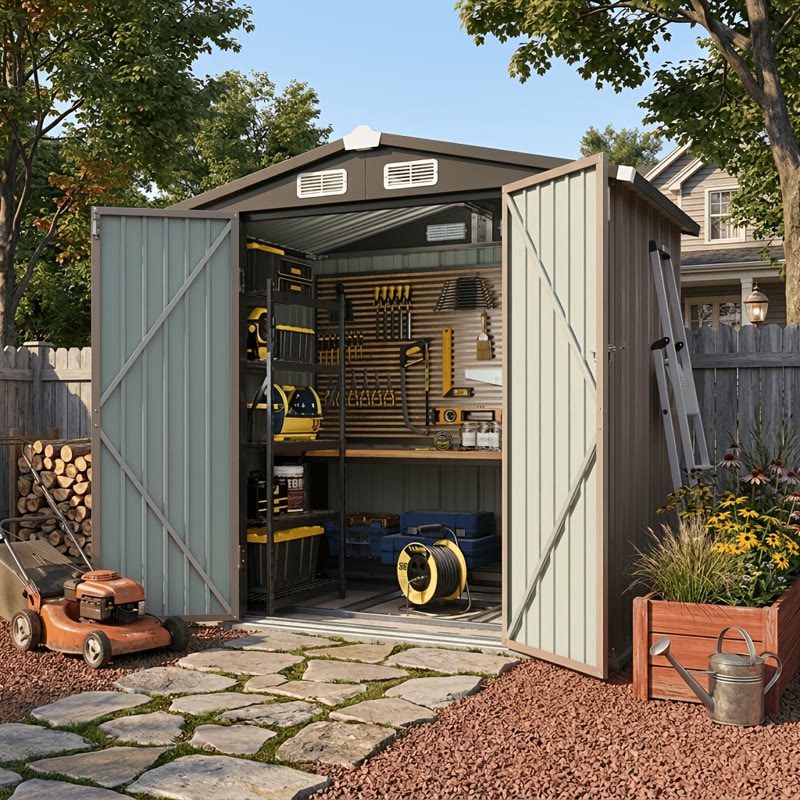 6X4 STORAGE SHED
6x4 Ft Brown Outdoor Storage Shed — Lockable Double Doors
Affiliate disclosure: we may earn a commission if you buy through these links, at no extra cost to you.
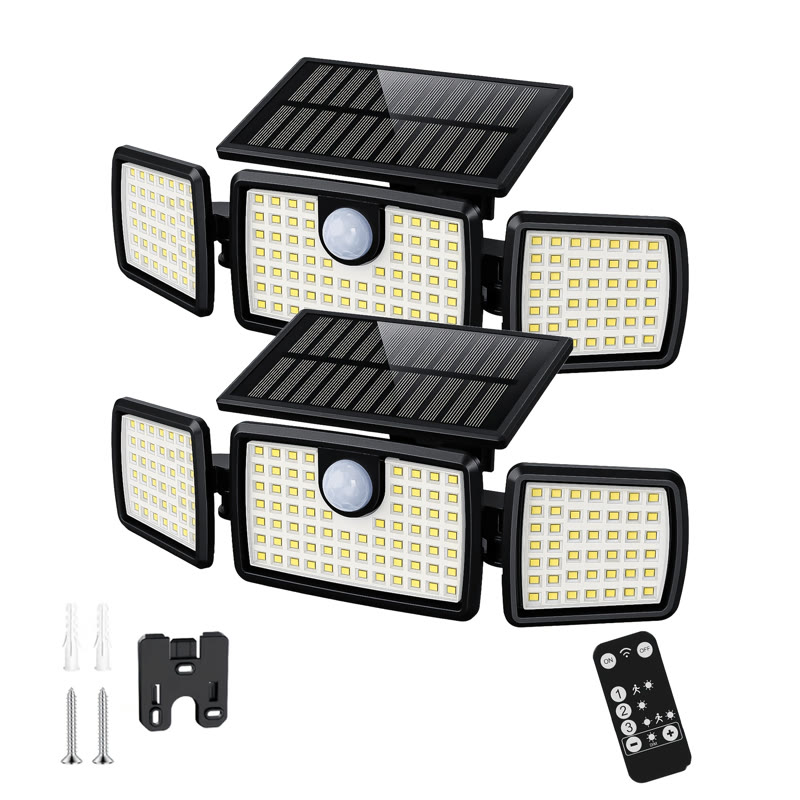 2-PACK SOLAR LIGHTS
3-Head Solar Security Lights — 2 Pack
Affiliate disclosure: we may earn a commission if you buy through these links, at no extra cost to you.
 SOLAR POWER BANK
20,000mAh Solar Power Bank
Affiliate disclosure: we may earn a commission if you buy through these links, at no extra cost to you.
What “upside down” means — in plain English
Being upside down just means you owe more than the car is worth. It happens to almost everyone with a high-interest loan: cars lose value fast in the first couple of years, while a 20% loan barely shrinks your balance — most of your early payments go to interest, not to paying the car down. So the car drops and the loan barely moves, and suddenly there’s a gap.
The gap matters when you want out — trading in, selling, or refinancing. A dealer won’t just erase it; the leftover usually gets rolled into your next loan, which makes the next car upside down from day one. That’s the trap to avoid. The way out is boring but real: keep paying, don’t roll the gap forward, and let time close it — every payment shrinks the loan while the car’s value drops more slowly.
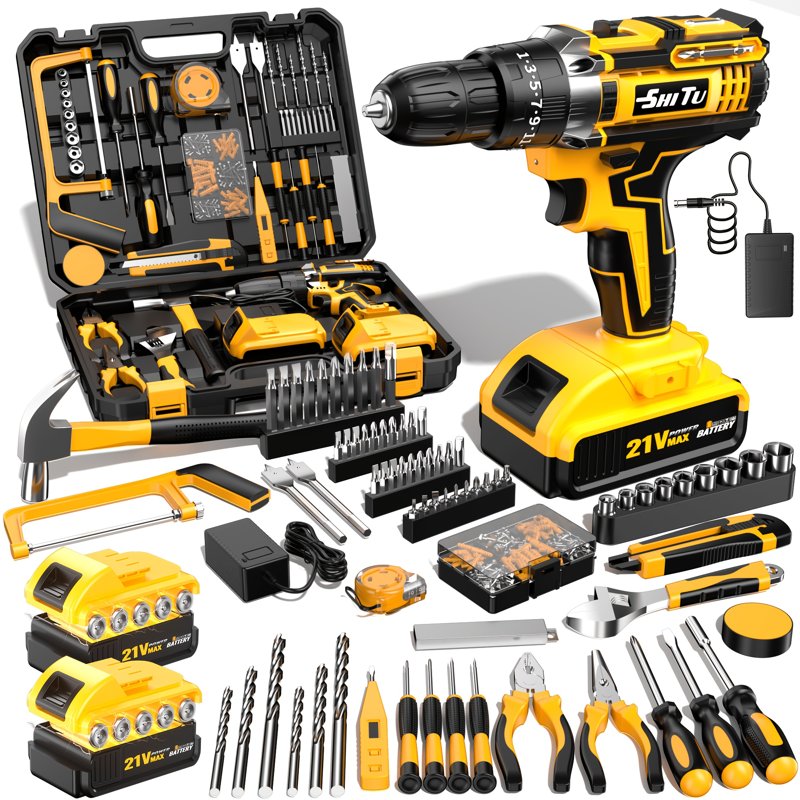 21V DRILL KIT
21V Cordless Drill Kit — Full Tool Set in a Case
Affiliate disclosure: we may earn a commission if you buy through these links, at no extra cost to you.
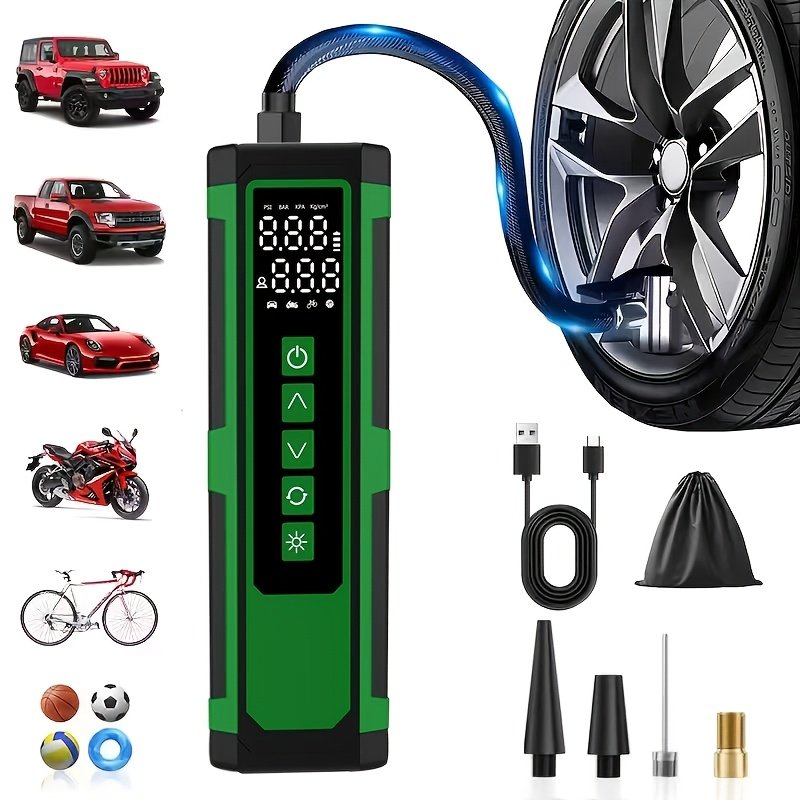 TIRE INFLATOR
Portable Tire Inflator — Cordless, 150 PSI
Affiliate disclosure: we may earn a commission if you buy through these links, at no extra cost to you.
 VIDEO DOORBELL
1080P Video Doorbell Camera — No Drilling
Affiliate disclosure: we may earn a commission if you buy through these links, at no extra cost to you.
Questions, answered
What does upside down mean on a car loan?
It means you owe more than the car is worth. If you owe $18,000 and the car would sell for $12,000, you’re $6,000 upside down — also called being “underwater” or having “negative equity.”
Can I trade in a car I owe more on than it’s worth?
Yes, but the leftover doesn’t disappear — the dealer rolls it into your next loan. That means your next car starts out upside down too. It’s better to close the gap first if you can: pay extra toward the loan, or save a down payment big enough to cover it.
Can I refinance if I’m upside down?
It’s harder — most lenders won’t finance more than the car is worth. Your options: pay the loan down until the balance is under the car’s value, bring cash to cover the gap at refinancing, or wait until you’ve made enough payments. Some credit unions are more flexible than big banks.
How do I get out from being upside down?
Three ways: (1) keep making payments — time closes the gap as the loan shrinks; (2) pay extra toward the principal each month to close it faster; (3) if you must trade in, bring cash to cover the gap instead of rolling it into the next loan.
Is it bad to be a little upside down?
A small gap early in the loan is normal — almost everyone is slightly upside down in year one or two. It becomes a problem when the gap is big (thousands) and you need to sell or trade in soon. If you plan to keep the car for the whole loan, it usually fixes itself.
Estimates only — not financial advice.