Car Emergency Kit: What to Keep in the Trunk
Quick answer: Keep four things covered in your trunk: a way to get going again (jumper cables or a jump starter, a tire inflator, and a checked spare with a jack), a way to stay visible (warning triangles and a flashlight), a way to stay connected (a car phone charger and a power bank), and a way to stay safe (water, a blanket, and a first aid kit). That core kit can be built for under $50.
Recommended · Temu
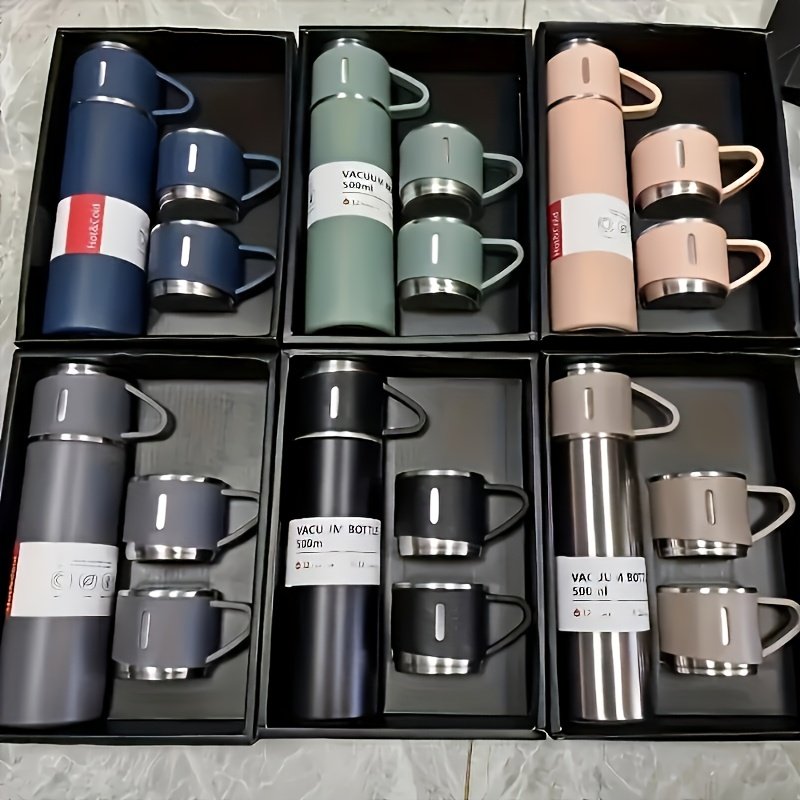
Insulated Cup Set — 4 Bottles & Cups, Gift Boxed
Coffee stays hot through a whole shift, and the set pays for itself in a week of skipped coffee runs. Four insulated bottles and cups, boxed up nice. 4.5 stars, 89K+ sold.
$5.18 on Temu
See the cup set on TemuAffiliate link: if you buy, this site may earn a commission at no extra cost to you. Price checked September 2026; Temu prices change often.
Here is the blunt truth: the car most likely to strand you is the car you can afford right now. An older used car bought with shaky credit is not a bad car — for a lot of us it is the only car, and it is also the car with the tired battery, the slow tire leak, and the spare nobody has checked in years. That is a reason to put a cheap kit in the trunk this week, instead of wishing you had at midnight on the shoulder.
This is not a doomsday list. It is the same core kit that Ready.gov, the National Highway Traffic Safety Administration (NHTSA), and AAA all tell drivers to carry, organized by the job each item does, and priced for a real budget — because if every dollar is spoken for by rent and a down payment, a kit that costs too much is a kit you will never buy. Start with the core below for under $50, use what you already own, and add the rest a piece at a time.
What do you need to get the car going again?
Most strandings are a dead battery or a soft tire — the two problems a cheap kit actually fixes.
- Jumper cables or a portable jump starter. All three sources — Ready.gov, NHTSA, and AAA — list jumper cables. Cables are cheap, but they need a second car and a kind stranger. A jump starter costs more and needs nobody. Start with cables and upgrade later.
- Tire inflator. AAA's kit list includes a tire inflator and sealant. A slow leak you top off becomes a flat on the highway if you ignore it — an inflator turns a tow bill into a ten-minute stop. Shopping for a car that will not strand you in the first place? Start with our guide to the best cars for bad credit.
- Spare tire, jack, and lug wrench — checked, not assumed. NHTSA recommends carrying a jack and basic tools, and AAA lists the jack and lug wrench in the trunk kit. Look at yours once: spares go flat sitting still, and a flat spare is just extra weight.
- Basic tools and duct tape. AAA lists simple tools — a wrench, screwdrivers, pliers — plus duct tape for temporary fixes. You are not rebuilding the engine, just tightening the loose thing well enough to get home.
How do you stay visible while you wait?
A stopped car that drivers cannot see is the most dangerous car on the road. This part is small, cheap, and not optional.
- Warning triangles or flares. Ready.gov lists flares or a reflective triangle, NHTSA lists warning devices, and AAA lists DOT-approved triangles or flares. Set them behind the car so traffic moves over early instead of late.
- Flashlight with extra batteries. NHTSA and AAA both list a flashlight — not your phone light, which drains the battery you need for calling help.
- A solar lantern, if you have one. Steady light while you wait, no battery drain, and it works at home in an outage too. Get everyone out on the side away from traffic.
Recommended · Temu
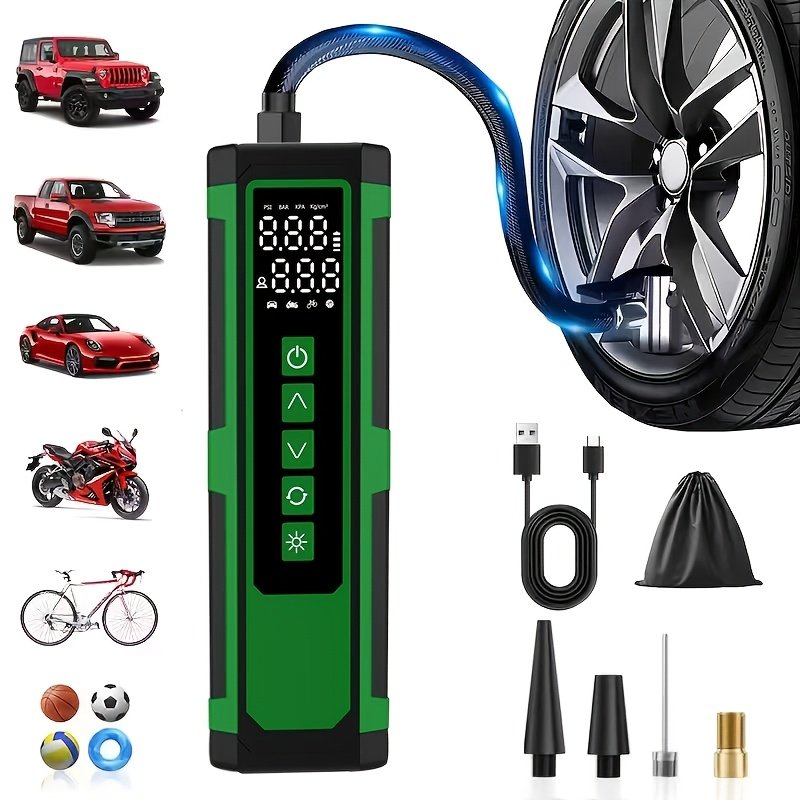
Portable Tire Inflator — Cordless Air Pump (150 PSI)
A flat tire on the way to work can cost you the job that pays for the car. This cordless inflator rides in the trunk and fills a tire in minutes — no gas-station air pump, no tow truck. 4.8 stars, 35K+ sold.
$7.45 on Temu
See the inflator on TemuAffiliate link: if you buy, this site may earn a commission at no extra cost to you. Price checked September 2026; Temu prices change often.
Why does staying connected matter so much?
Because for this reader, a dead phone is not an inconvenience. It can cost you the car or the job.
The lender may call to verify your job. The dealer may call about your approval. Your boss may text about tomorrow's shift. If your phone dies on the side of the road, you miss the tow truck's call and you miss work. Staying connected protects the deal and the paycheck.
- Car phone charger. It is on the Ready.gov list, the NHTSA list, and the AAA list. All three. Keep one plugged in, not buried in a drawer at home.
- A charged power bank. The car charger is useless if the car will not start. A small power bank is your second chance — charge it at home, toss it in the glove box, and top it off every few months.
- Your numbers, written down. AAA suggests pen and paper in the glove box. Write down your roadside help number, your lender, and one person who will actually answer. Phones die. Paper does not.
One habit costs nothing: Ready.gov suggests keeping your tank at least half full when you can. A car with gas is a heater, a charger, and a way out.
What keeps you safe while you wait for help?
Sometimes the fix is not coming fast, and the kit's job becomes taking care of the people.
- Water. NHTSA lists water, food, and any medicine you need; AAA lists drinking water and non-perishable snacks. Keep a few bottles in the trunk and swap them out every few months.
- A blanket. On every list — Ready.gov, NHTSA, and AAA. In cold weather it is survival. In any weather it is something to kneel on, sit on, or wrap around a scared kid.
- First aid kit. NHTSA lists a first aid kit — its winter guidance even specifies one that includes a tourniquet — and AAA lists a well-stocked one too. Bandages, antiseptic, pain relievers, and any personal medicine you cannot skip.
- Snacks that keep. Granola bars or nuts, per AAA's list. Hunger makes a two-hour wait feel like six.
Texas, Arizona, and Nevada drivers, read this twice. Heat changes the order of this list. Water moves to the top — carry more than you think you need, because a summer breakdown on a Texas highway with no shade is a health emergency fast. Add sunscreen and a hat if you can. Stay with the car, sip the water early, and never leave a child or a pet in a parked car while you walk for help. When you buy that next car, use our check engine light guide before you sign, so a warning light does not become your first breakdown.
Recommended · Temu
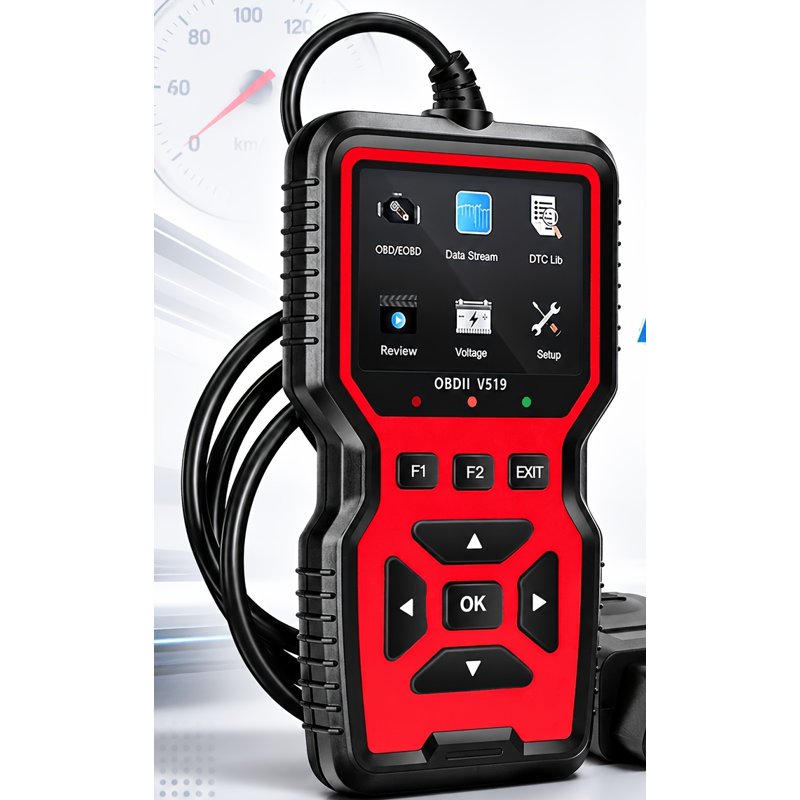
V519 OBD2 Scanner — Check Engine Code Reader
Before you sign for that used car, plug this in under the dash and read the codes yourself. It shows check-engine codes and live data — the stuff a seller hopes you never check. 4.6 stars, 28K+ sold on Temu.
$17.01 on Temu
See the scanner on TemuAffiliate link: if you buy, this site may earn a commission at no extra cost to you. Price checked September 2026; Temu prices change often.
How much should a car emergency kit cost?
Less than one tow. Build it in this order:
- The under-$50 core: jumper cables, a basic flashlight, warning triangles, a small first aid kit, a car phone charger, water, and a blanket from home. Shop discount and auto-parts store sales, and raid your own closets first — most homes already own half of this list.
- The next paycheck tier: tire inflator, power bank, basic tool set, duct tape. Each one kills a specific tow bill.
- The comfort tier: a portable jump starter, a solar lantern, a better first aid kit. Nice to have, in that order, and only after the core is done.
Keep the down payment first while you shop — our guide to how much down payment you need shows why that money matters more than any upgrade here. A $40 kit that exists beats a $200 kit on a wish list. Then do the boring part: check the kit twice a year. Batteries die, power banks drain, water goes stale, and spares go flat.
Recommended · Temu
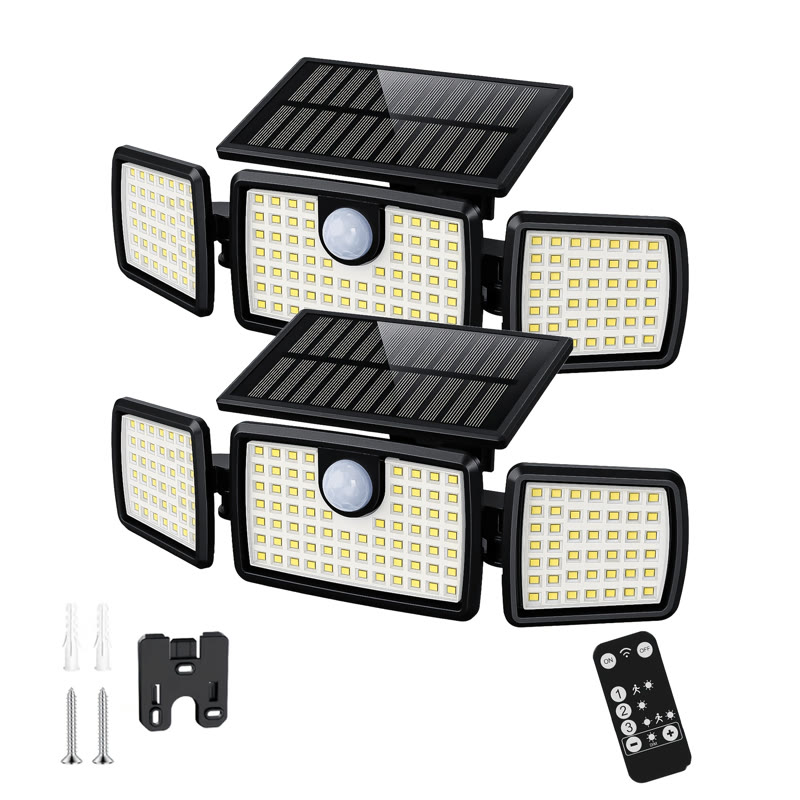
2-Pack 3-Head Solar Security Lights (3000LM, Motion Sensor)
The cheapest line in the whole kit: light where the car sleeps. This 2-pack of solar security lights (3000LM, motion sensor) keeps an outside-parked car lit and watched — no wiring, no electrician, no monthly cost.
$22.26 on Temu
See the solar lights on TemuAffiliate link: if you buy, this site may earn a commission at no extra cost to you. Price checked September 2026; Temu prices change often.
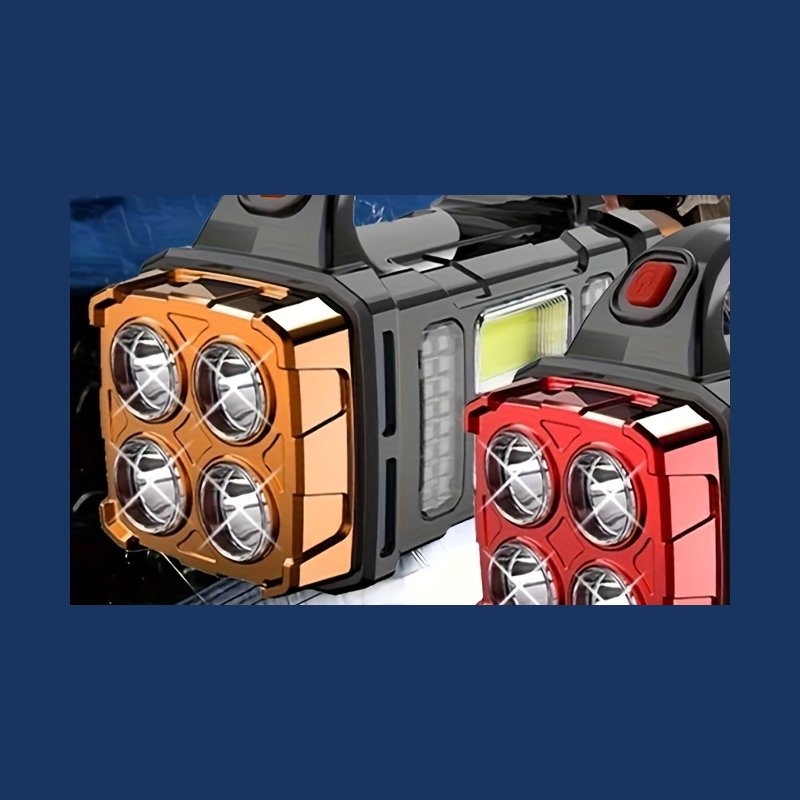
Recommended · Temu
Solar & USB LED Lantern — COB Work Light
When the power goes out, this is your light. It charges from the sun or any USB port — no candles, no wiring, nothing to install. 4.7 stars, 100K+ sold.
$4.94 on Temu
See the lantern on TemuAffiliate link: if you buy, this site may earn a commission at no extra cost to you. Price checked September 2026; Temu prices change often.
Frequently asked questions
What should be in a basic car emergency kit?
The items Ready.gov, NHTSA, and AAA agree on: jumper cables, flares or reflective warning triangles, a car phone charger, and a blanket. NHTSA and AAA add a flashlight, a first aid kit, and water, food, and any medicine you need. Add a tire inflator and a checked spare with a jack, and you have covered the breakdowns that actually happen.
How much does a car emergency kit cost to build?
A working core kit can be built for under $50 if you shop sales and use items you already own, like a blanket and a flashlight from home. The expensive version — a jump starter, a good inflator, a full tool set — can wait. Add one piece per paycheck.
Are jumper cables or a jump starter better?
Cables are cheaper and never need charging, but they only work if another driver stops and lets you use their battery. A portable jump starter works alone, which matters at night or on a quiet road, but it costs more and has to be kept charged. Start with cables; make a jump starter the first upgrade.
How often should I check my emergency kit?
Twice a year — when the clocks change works. Test the flashlight, charge the power bank, check the spare tire's air, swap the water, and look for expired first aid supplies. A kit you never check is a guess, and the shoulder of a highway is a bad place to find out you guessed wrong.
What extra items do I need if I drive in extreme heat?
Extra water first — more than feels reasonable — plus sunscreen and a hat. In Texas, Arizona, and Nevada heat, waiting with a dead car can become a health problem quickly, so stay with the vehicle in whatever shade you have, drink early, and call for help right away. Never leave children or pets inside a parked car.
<!-- sources: Ready.gov "Car Safety" page (kit list: jumper cables, flares or reflective triangle, ice scraper, car cell phone charger, blanket, map, cat litter or sand for traction; keep tank at least half full) — ready.gov/car, checked November 2026 via search summaries of the page. NHTSA winter driving / vehicle safety guidance (shovel, broom and ice scraper, sand or kitty litter, jumper cables, flashlight, warning devices, first aid kit including a tourniquet, blankets, cell phone and charger, water, food and necessary medicine; jack and basic tools on its roadside guidance) — nhtsa.gov, checked November 2026. AAA car emergency kit guidance (jumper cables or compact jump starter, flashlight with extra batteries, first aid kit, DOT-approved flares or warning triangles, power tire inflator and tire repair kit and jack, basic tools, duct tape, water and non-perishable food, blankets, cell phone charger, pen and paper/glove-box items) — aaa.com pages, checked November 2026. Budget tiers are this site's own framing for a core kit, not a source claim. -->