Tote the Note Car Lots: What It Means and How They Work
Quick answer: "Tote the note" is slang for a buy-here-pay-here car lot — a dealership that finances the car itself instead of sending you to a bank. The dealer "totes" (carries) the "note" (your loan). You buy the car and make your payments at the same place. It's the same business model as buy-here-pay-here, just an older name for it.
Recommended · Temu
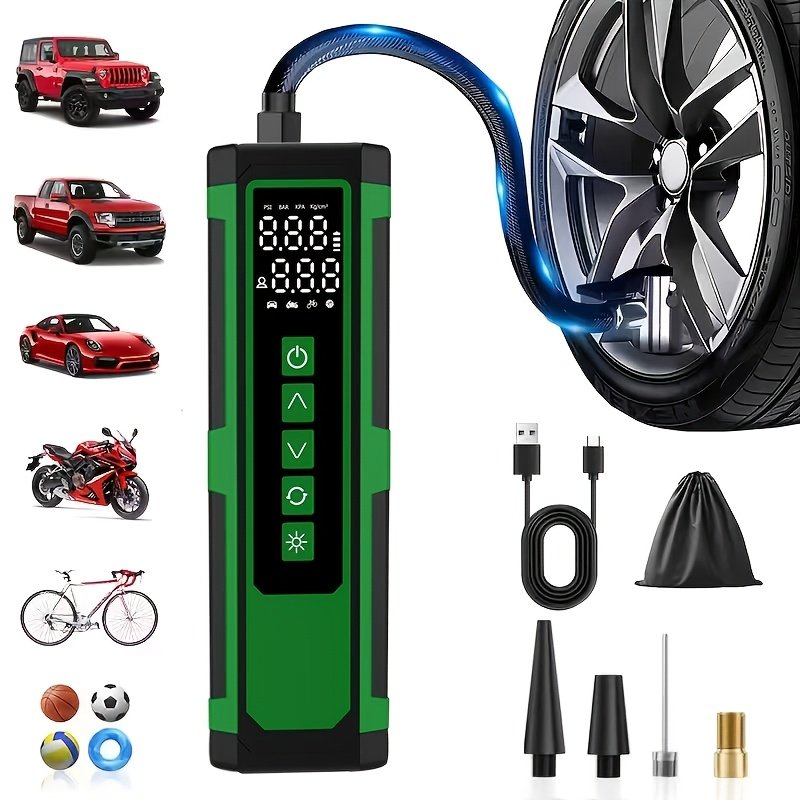
Portable Tire Inflator — Cordless Air Pump (150 PSI)
A flat tire on the way to work can cost you the job that pays for the car. This cordless inflator rides in the trunk and fills a tire in minutes — no gas-station air pump, no tow truck. 4.8 stars, 35K+ sold.
$7.45 on Temu
See the inflator on TemuAffiliate link: if you buy, this site may earn a commission at no extra cost to you. Price checked September 2026; Temu prices change often.
Where the Phrase Comes From
You'll hear it in the South more than anywhere else. "Tote the note" lots, "your job is your credit" dealers, "we finance anyone" signs — same animal, different paint.
The phrase is literal. In a normal car deal, the dealer sells you the car and a bank holds your loan note. At a tote-the-note lot, the dealer keeps the note themselves. They carry your debt. That's why they can say yes when banks say no — there's no bank involved to say no.
If you've been searching "tote the note car lots near me," what you're really looking for is a dealer who approves based on your paycheck instead of your credit score. Now you know the term. Here's what to actually expect.
How a Tote the Note Deal Works
It's simpler than a bank deal, which is the whole point.
You pick a car from their lot. Older used cars, mostly — think 8 to 15 years old, priced somewhere between $5,000 and $15,000. These aren't dream cars. They're get-to-work cars.
You show them you have income. Pay stubs, bank statements, benefit letters. Some lots advertise "your job is your credit" and they mean it — a steady job matters more here than a three-digit number.
You put money down. Most tote-the-note lots want $500 to $2,000 down. Some advertise zero down, but that's rare and it costs you later (more on that below).
You sign their contract and pay them directly. Weekly or biweekly payments are common — not monthly. You pay at the lot, online through their system, or by auto-debit. The dealer is your lender now.
That's the whole process. No bank. No finance manager disappearing into the back room. Just you and the dealer.
Recommended · Temu
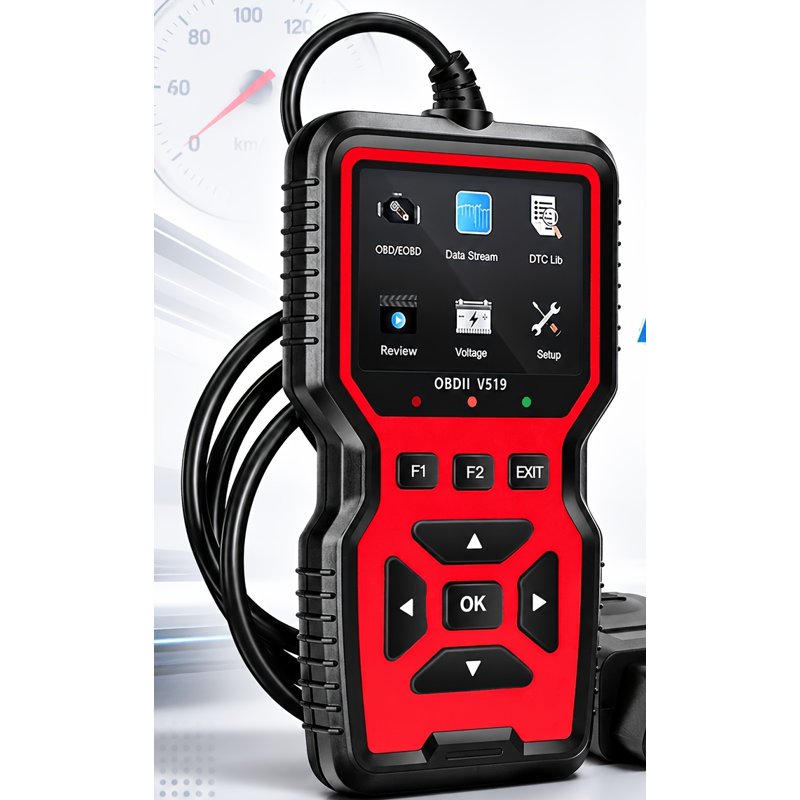
V519 OBD2 Scanner — Check Engine Code Reader
Before you sign for that used car, plug this in under the dash and read the codes yourself. It shows check-engine codes and live data — the stuff a seller hopes you never check. 4.6 stars, 28K+ sold on Temu.
$17.01 on Temu
See the scanner on TemuAffiliate link: if you buy, this site may earn a commission at no extra cost to you. Price checked September 2026; Temu prices change often.
The Parts They Don't Put on the Sign
Tote-the-note lots solve a real problem — you need a car and your credit is wrecked. But go in with your eyes open:
The interest rate will sting. 15% to 25% is normal. On a $9,000 car, that rate can add thousands to what you pay over the life of the loan. Ask for the total of payments — that's the number that matters, not the weekly amount.
They might not report your payments. This is the one that burns people. You make every payment on time for two years thinking you're rebuilding your credit, then find out the dealer never reported a single payment to the bureaus. Before you sign, ask directly: "Do you report to all three credit bureaus?" Get the answer in writing.
Weekly payments are unforgiving. A $95 weekly payment sounds small until you miss one. Some lots install GPS trackers and starter-interrupt devices — miss a payment and the car won't start. That's legal in most states as long as it's in your contract. Read the contract.
The cars are what they are. High miles, older models, sold as-is more often than not. Get the car inspected by your own mechanic before you sign if you possibly can. A $100 inspection can save you from a $9,000 mistake.
How to Work a Tote the Note Lot Without Getting Played
These lots aren't evil. They're a tool. Here's how to use the tool right:
- Bring your paperwork ready. License, proof of income, proof of address, references. Looking organized makes you look reliable, and reliable gets better terms.
- Negotiate the price, not the payment. They want to talk weekly payment. You talk total price. A $95/week payment for 3 years is nearly $15,000 — on an $8,000 car.
- Ask about reporting. If they don't report to the bureaus, you're paying 20% interest for zero credit benefit. Factor that in.
- Read every line before you sign. Especially the parts about late fees, repossession, and what happens if the car breaks down. If they rush you, that's your answer — walk.

Recommended · Temu
21V Cordless Drill Kit — Full Tool Set in a Case
Every repair you do yourself is a payment you don't finance. This 21V drill kit comes with the bits and hand tools to start — brakes, batteries, and the small stuff. 4.7 stars, 49K+ sold.
$12.69 on Temu
See the drill kit on TemuAffiliate link: if you buy, this site may earn a commission at no extra cost to you. Price checked September 2026; Temu prices change often.
Recommended · Temu
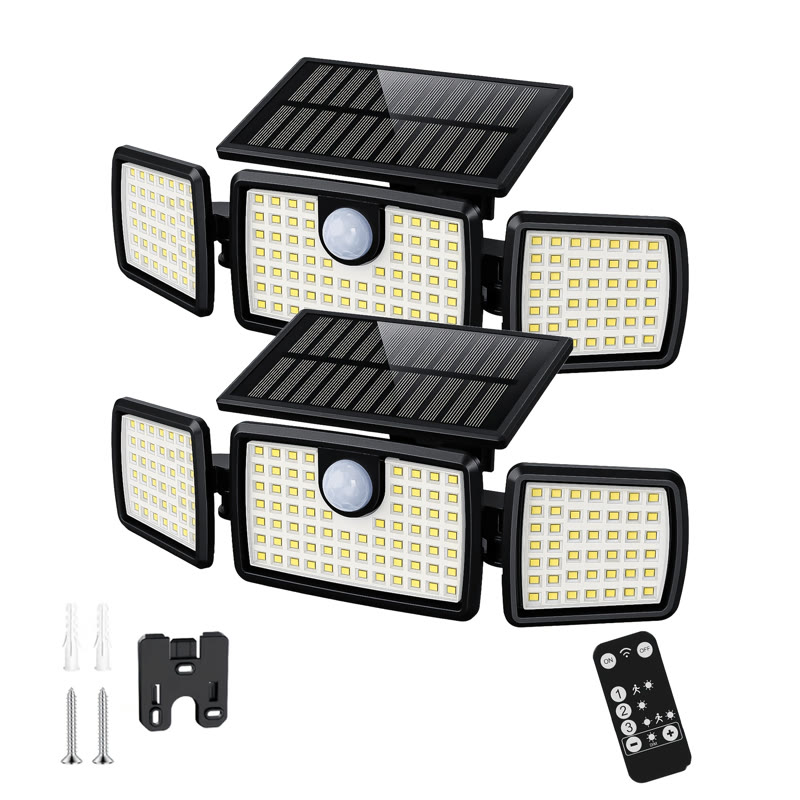
2-Pack 3-Head Solar Security Lights (3000LM, Motion Sensor)
Protect your car and your driveway. This 2-pack of solar security lights (3000LM, motion sensor, 3 heads) charges all day and lights up automatically at night — no wiring, no electrician, no electric bill.
$22.26 on Temu
See the solar lights on TemuAffiliate link: if you buy, this site may earn a commission at no extra cost to you. Price checked September 2026; Temu prices change often.

Recommended · Temu
1080P Video Doorbell Camera — Wireless, No Drilling
Your car sleeps in the apartment lot. This camera sticks on with no drilling, runs on a battery, and shows your front door — and who is near your car — right on your phone. 4.7 stars, 250K+ sold.
$9.98 on Temu
See the doorbell on TemuAffiliate link: if you buy, this site may earn a commission at no extra cost to you. Price checked September 2026; Temu prices change often.
Frequently asked questions
Is tote the note the same as buy here pay here?
Yes. It's the same business model — the dealer finances the car in-house. "Tote the note" is just the older, more Southern slang for it. You'll also see "your job is your credit" and "we tote the note" used interchangeably.
Do tote the note car lots report to the credit bureaus?
Some do, some don't. Most of the bigger ones report, but plenty of small lots don't bother. This matters — if they don't report, your on-time payments won't help your credit score at all. Ask before you sign and get it in writing.
Do tote the note dealers check your credit?
Usually there's no hard credit check. They care about your income, your job stability, and your down payment. That's the whole appeal — but it's also why the interest rates are high. They're lending without the safety net a credit check provides.
What's the catch with tote the note lots?
High interest rates (15-25%), older high-mileage cars, weekly payments, and the possibility that your payments won't help your credit. The catch isn't hidden — it's just priced in. Go in knowing the real total cost and you'll be fine.