What Is a Deficiency Balance After Repossession?
Quick answer: A deficiency balance is what you still owe after the lender repossesses your car and sells it at auction. If you owed $12,000 and the car sells for $7,000, the $5,000 difference — plus fees — is the deficiency. And yes, they can come after you for it: lawsuits, wage garnishment, bank levies. But you have rights, and the balance isn't always as solid as they claim.
Recommended · Temu
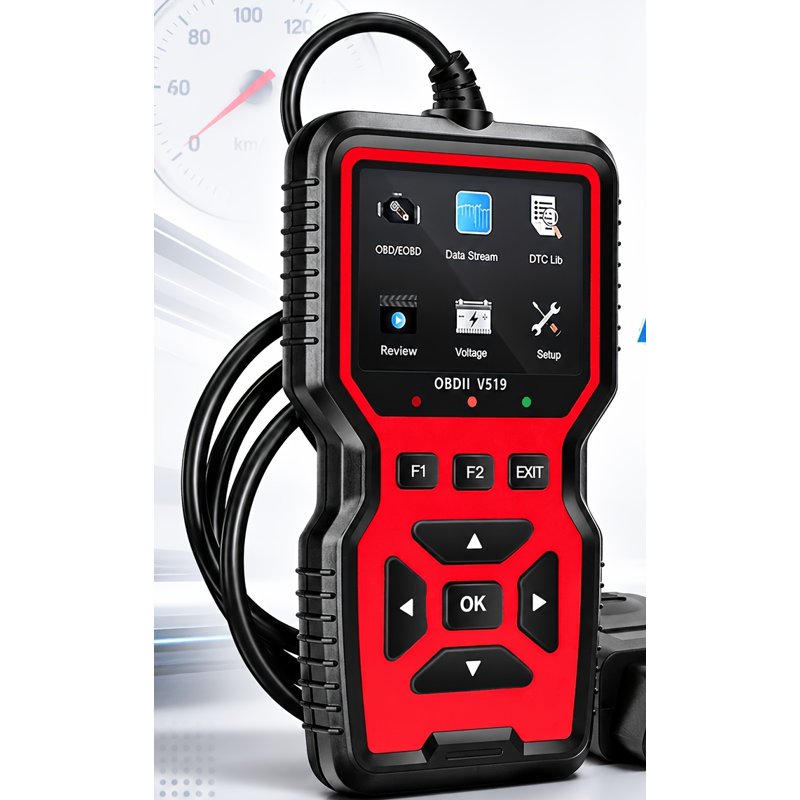
V519 OBD2 Scanner — Check Engine Code Reader
Before you sign for that used car, plug this in under the dash and read the codes yourself. It shows check-engine codes and live data — the stuff a seller hopes you never check. 4.6 stars, 28K+ sold on Temu.
$17.01 on Temu
See the scanner on TemuAffiliate link: if you buy, this site may earn a commission at no extra cost to you. Price checked September 2026; Temu prices change often.
The Second Punch You Don't See Coming
The repo itself is traumatic enough. You wake up, the car's gone, and you're standing in the driveway in your socks. But the repo isn't the end of the story — it's the middle. Weeks later, a letter arrives saying the car sold at auction for thousands less than you owed, and now you owe the difference.
This is the part that breaks people, because it feels impossibly unfair. They took your car AND they want more money? Read on. It's not as hopeless as that letter makes it look.
How the Math Works Against You
Here's the brutal arithmetic of a deficiency:
You owed $14,000 on the loan. The lender repossesses and sends the car to auction — not a retail sale, an auction, where cars sell for wholesale prices. It brings $8,000. Then the lender adds repossession fees ($300–$500), auction fees, storage fees, and legal costs. Your deficiency is now $14,000 minus $8,000 plus roughly $1,000 in fees: $7,000.
You lost the car. You owe $7,000. For nothing you can drive.
The auction price is the key injustice here. Your car might have been worth $11,000 on the retail market, but at auction it brought $8,000, and that $3,000 gap becomes your problem, not theirs.
Recommended · Temu
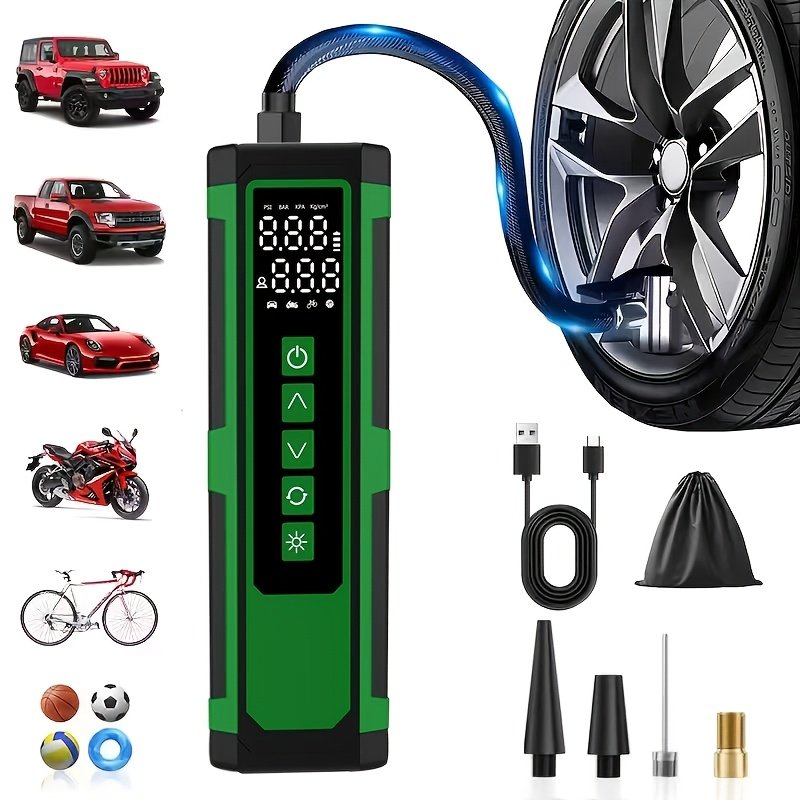
Portable Tire Inflator — Cordless Air Pump (150 PSI)
A flat tire on the way to work can cost you the job that pays for the car. This cordless inflator rides in the trunk and fills a tire in minutes — no gas-station air pump, no tow truck. 4.8 stars, 35K+ sold.
$7.45 on Temu
See the inflator on TemuAffiliate link: if you buy, this site may earn a commission at no extra cost to you. Price checked September 2026; Temu prices change often.
What They Can Do to Collect
A deficiency balance is a real debt, and lenders have real tools:
They can sue you. This is the most common move. They file in court, and if you don't show up — which most people don't — they win by default. Then they have a judgment.
With a judgment, they can garnish wages in most states, taking a percentage of every paycheck until the debt is paid. They can also levy bank accounts in many states.
They can sell the debt to collectors, who will call, write, and report it to the credit bureaus, dragging your score down for years.
This sounds terrifying. But every one of these steps has rules, and lenders break those rules constantly.
How to Fight Back
Make them prove the sale was "commercially reasonable." The law in most states requires the lender to sell the repossessed car in a commercially reasonable manner. Dumping it at a closed auction with no advertising, selling it to an affiliated dealer at a sweetheart price, or waiting months while storage fees pile up — all of these can be challenged. If the sale wasn't reasonable, you can argue the deficiency should be reduced or wiped out.
Demand an accounting. The lender must send you a written explanation of how they calculated the deficiency: what the car sold for, what fees were added, how the math works. If the numbers don't add up, or if they never sent the notice, that's leverage.
Check the statute of limitations. Deficiency lawsuits have deadlines — typically 4 to 6 years depending on your state, starting from the date of the sale. If they sue after the deadline, the case gets thrown out. Don't assume an old debt is still enforceable.
Don't ignore a lawsuit. This is the single most important thing in this entire article. If you're sued and you don't respond, you lose automatically — even if the lender's math was wrong, even if the sale was shady, even if the deadline passed. Showing up and saying "prove it" wins cases that ignoring them loses.

Recommended · Temu
1080P Video Doorbell Camera — Wireless, No Drilling
Your car sleeps in the apartment lot. This camera sticks on with no drilling, runs on a battery, and shows your front door — and who is near your car — right on your phone. 4.7 stars, 250K+ sold.
$9.98 on Temu
See the doorbell on TemuAffiliate link: if you buy, this site may earn a commission at no extra cost to you. Price checked September 2026; Temu prices change often.
Negotiating the Deficiency
Lenders know deficiency balances are hard to collect in full. Many will settle for 40 to 60 cents on the dollar if you negotiate — especially if you can pay a lump sum. A $7,000 deficiency might settle for $3,500 cash.
Get any settlement in writing before you pay a dime, and make sure it says the debt is settled in full and they'll report it accordingly to the credit bureaus. A verbal promise from a collector is worth nothing.
Recommended · Temu
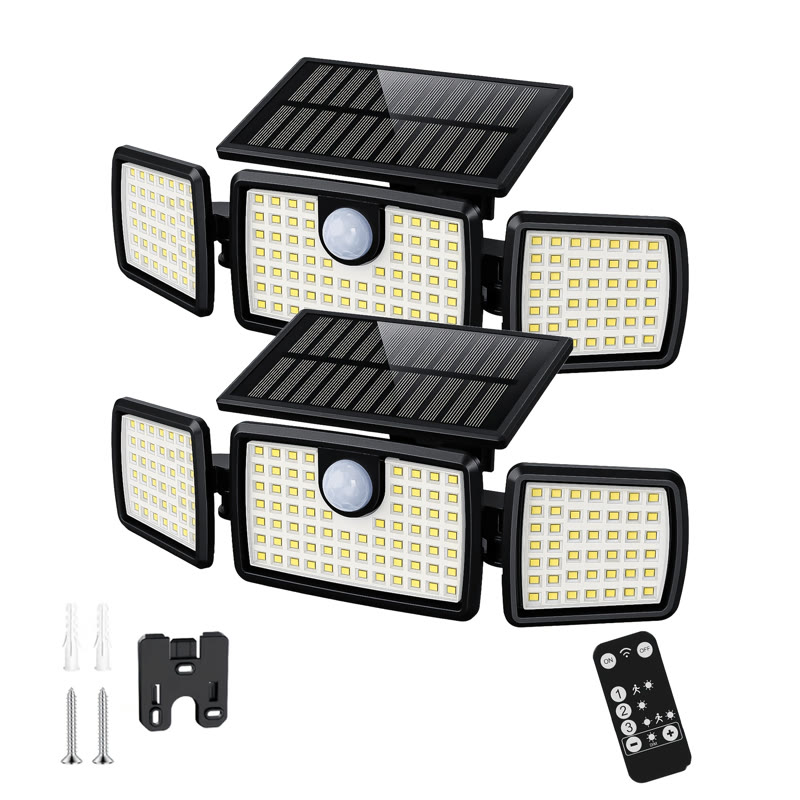
2-Pack 3-Head Solar Security Lights (3000LM, Motion Sensor)
After a repo, every dollar counts. These solar security lights (3000LM, motion sensor) protect your next car for under $20 — no wiring, no monthly cost.
$22.26 on Temu
See the solar lights on TemuAffiliate link: if you buy, this site may earn a commission at no extra cost to you. Price checked September 2026; Temu prices change often.

Recommended · Temu
21V Cordless Drill Kit — Full Tool Set in a Case
Every repair you do yourself is a payment you don't finance. This 21V drill kit comes with the bits and hand tools to start — brakes, batteries, and the small stuff. 4.7 stars, 49K+ sold.
$12.69 on Temu
See the drill kit on TemuAffiliate link: if you buy, this site may earn a commission at no extra cost to you. Price checked September 2026; Temu prices change often.
Frequently asked questions
Can a lender sue me for a deficiency balance after repossession?
Yes. In most states, the lender can sue you for the difference between what you owed and what the car sold for at auction, plus allowable fees. If they win a judgment, they can garnish wages or levy bank accounts depending on state law.
How is a deficiency balance calculated?
Loan balance minus the auction sale price, plus repossession fees, auction and storage fees, and legal costs. The auction price is almost always below retail value, which is why deficiencies are often larger than borrowers expect.
Can I dispute a deficiency balance?
Yes. Common defenses include: the sale wasn't commercially reasonable, the lender didn't send proper notices, the accounting is wrong, or the statute of limitations has expired. A consumer attorney — many offer free consultations — can tell you which defenses apply in your state.
Does a deficiency balance affect my credit?
Yes, significantly. The repossession itself is already a major negative mark, and an unpaid deficiency balance reported to the bureaus keeps dragging your score down. Settling or paying it, and getting the reporting updated, helps your score recover faster.