Can I Refinance My Car If I'm Upside Down on the Loan?
Quick answer: Refinancing while upside down — owing more than the car is worth — is very hard because lenders won't lend more than the collateral's value. Your realistic options are paying down the gap, bringing cash to closing, or waiting until your balance catches up with the car's value. It's not hopeless, but there's no shortcut around the math.
Recommended · Temu
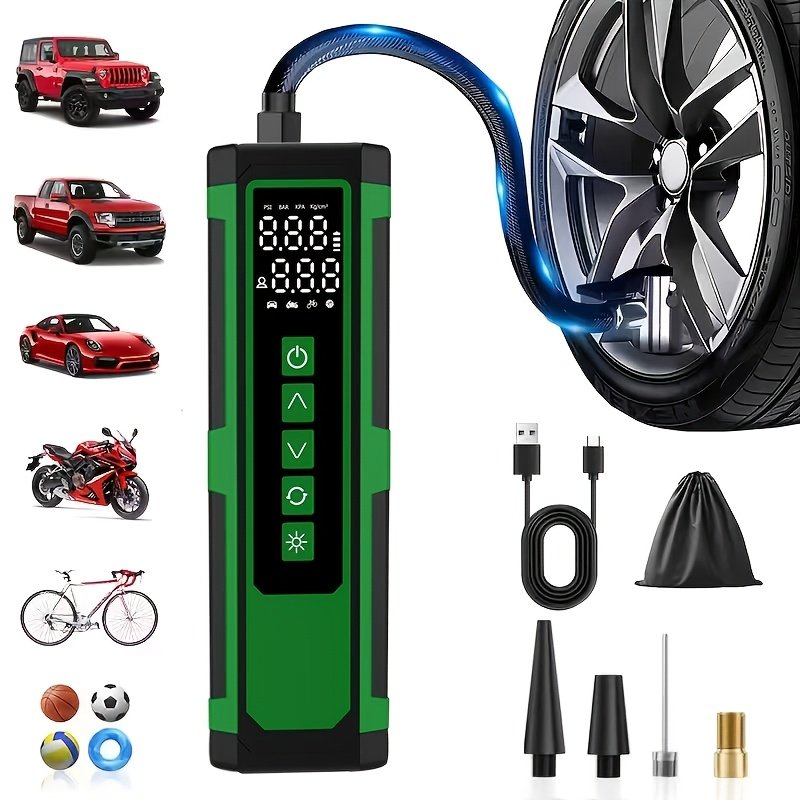
Portable Tire Inflator — Cordless Air Pump (150 PSI)
A flat tire on the way to work can cost you the job that pays for the car. This cordless inflator rides in the trunk and fills a tire in minutes — no gas-station air pump, no tow truck. 4.8 stars, 35K+ sold.
$7.45 on Temu
See the inflator on TemuAffiliate link: if you buy, this site may earn a commission at no extra cost to you. Price checked September 2026; Temu prices change often.
How You Got Underwater
Nobody plans to be upside down. It happens the same way every time: small down payment, long loan term, high interest rate, and a car that loses value faster than you're paying it off. Drive a new-to-you car off the lot and it's worth 10 to 20 percent less before you get home. That's not your fault — that's just how cars work.
With bad credit, it's worse. The high rate means your early payments are almost all interest. After a year of paying $350 a month, you might have knocked only $1,500 off the principal while the car lost $3,000 in value. The gap grows before it shrinks. That's the trap, and now you're standing in it wondering if refinancing can get you out.
Why Lenders Say No
Think about it from the lender's chair. They're going to hand you $14,000 secured by a car worth $10,000. If you stop paying tomorrow, they repossess a $10,000 car and eat a $4,000 loss. No lender volunteers for that deal.
Every lender has a loan-to-value limit — usually they'll lend up to 100 to 125 percent of the car's value, depending on your credit. If you owe 140 percent of what the car is worth, you're outside every lender's box. It's not personal. It's arithmetic.

Recommended · Temu
1080P Video Doorbell Camera — Wireless, No Drilling
Your car sleeps in the apartment lot. This camera sticks on with no drilling, runs on a battery, and shows your front door — and who is near your car — right on your phone. 4.7 stars, 250K+ sold.
$9.98 on Temu
See the doorbell on TemuAffiliate link: if you buy, this site may earn a commission at no extra cost to you. Price checked September 2026; Temu prices change often.
The Three Ways Out
Pay down the gap. This is the boring answer that actually works. Every extra dollar you throw at the principal shrinks the gap from both sides — the balance drops while the car's depreciation slows down. Even $100 extra a month changes the timeline by months, not years.
Bring cash to closing. If you owe $14,000 on a $11,000 car, a lender who'll go to 120 percent of value would refinance $13,200. You bring $800 to the table, and the deal works. It's not nothing, but it's a lot less than the $3,000 gap you started with.
Wait it out. Cars depreciate fastest in the first two years, then the curve flattens. Your payments stay the same. At some point the lines cross — the balance drops below the car's value — and suddenly lenders will talk to you. For most people, that crossing point lands somewhere in year two or three.
What NOT to Do
Don't roll the gap into a new car loan. Dealers love this move. You're upside down $4,000, they roll it into the next car's loan, and now you're upside down $4,000 on a more expensive car at another bad rate. It's a treadmill, not an exit.
Don't take a personal loan to cover the gap at a worse rate. Borrowing $3,000 at 25% to refinance a car at 19% is moving the problem, not solving it.
Don't stop paying out of frustration. Being upside down feels unfair, but missing payments torches the credit you're trying to rebuild and hands the lender the right to repossess — which leaves you with no car AND a deficiency balance.
Recommended · Temu
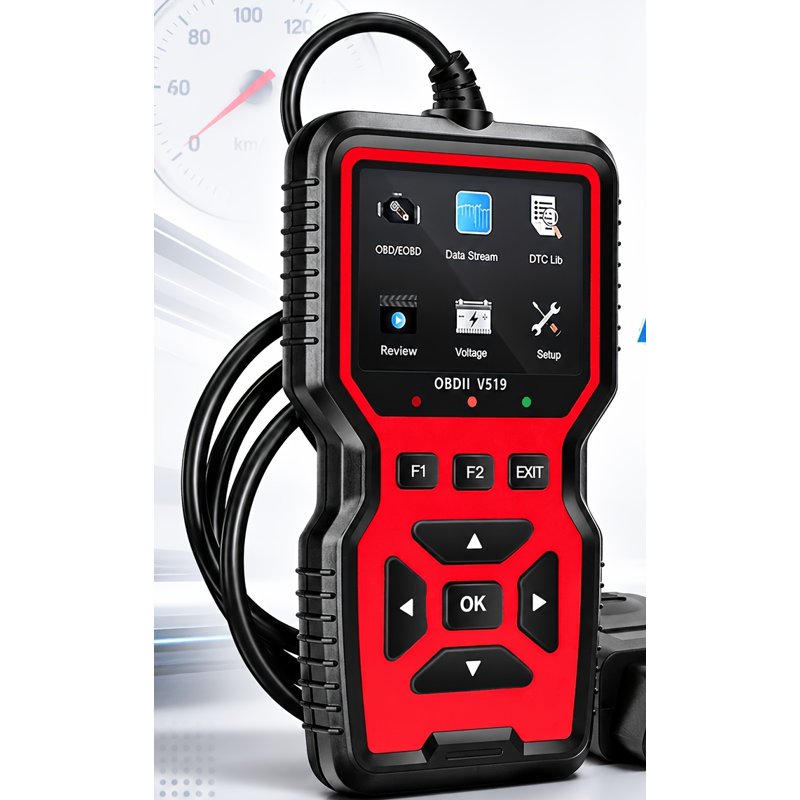
V519 OBD2 Scanner — Check Engine Code Reader
Before you sign for that used car, plug this in under the dash and read the codes yourself. It shows check-engine codes and live data — the stuff a seller hopes you never check. 4.6 stars, 28K+ sold on Temu.
$17.01 on Temu
See the scanner on TemuAffiliate link: if you buy, this site may earn a commission at no extra cost to you. Price checked September 2026; Temu prices change often.
The Honest Timeline
If you're slightly upside down — owing 105 to 115 percent of the car's value — you're probably 6 to 12 months of regular payments away from refinancing. If you're deep underwater at 130 percent or more, it's more like 18 to 24 months, or you need to bring cash.
Pull up your car's current value on any free valuation site, subtract it from what you owe, and you'll know exactly where you stand. That number is your target. Every payment shrinks it.

Recommended · Temu
2-Pack 3-Head Solar Security Lights (3000LM, Motion Sensor)
Underwater on your loan and worried about the car? These solar security lights (3000LM, motion sensor) guard your driveway for under $20 — no wiring, no monthly cost.
$22.26 on Temu
See the solar lights on TemuAffiliate link: if you buy, this site may earn a commission at no extra cost to you. Price checked September 2026; Temu prices change often.

Recommended · Temu
21V Cordless Drill Kit — Full Tool Set in a Case
Every repair you do yourself is a payment you don't finance. This 21V drill kit comes with the bits and hand tools to start — brakes, batteries, and the small stuff. 4.7 stars, 49K+ sold.
$12.69 on Temu
See the drill kit on TemuAffiliate link: if you buy, this site may earn a commission at no extra cost to you. Price checked September 2026; Temu prices change often.
Frequently asked questions
Can you refinance a car loan if you owe more than it's worth?
It's very difficult. Most lenders cap refinancing at 100 to 125 percent of the car's value. If you owe more than that, you'll need to pay down the difference or bring cash to closing before a lender will approve the refinance.
What is loan-to-value (LTV) on a car refinance?
LTV is what you owe divided by what the car is worth, expressed as a percentage. Owe $12,000 on a $10,000 car and your LTV is 120%. Lenders use it to measure their risk — the higher the LTV, the less likely they'll approve.
Should I trade in my upside-down car instead of refinancing?
Trading in doesn't erase the gap — the dealer rolls what you owe into the new loan, so you start underwater on the next car too. Refinancing (once the math works) keeps you in the same car with a better rate, which is almost always the cheaper path.
How fast do cars depreciate?
A used car typically loses 10 to 20 percent of its value in the first year you own it, then the depreciation slows. That's why the upside-down gap is worst early in the loan and shrinks over time as your payments catch up.