GPS Kill Switches and Starter Interrupters: What Dealers Don't Explain
Quick answer: Many buy-here-pay-here and subprime cars carry a payment assurance device — a GPS tracker, a starter interrupt device, or both in one box. The GPS tells the lender where the car is; the starter interrupter can block the car from starting again after a missed payment. A properly installed device prevents the next start; it does not shut off a car already moving. Texas has no single device law like Nevada's, so your protection is the contract itself: the device, its trigger, and its warnings should be disclosed in the paperwork you sign.
Recommended · Temu
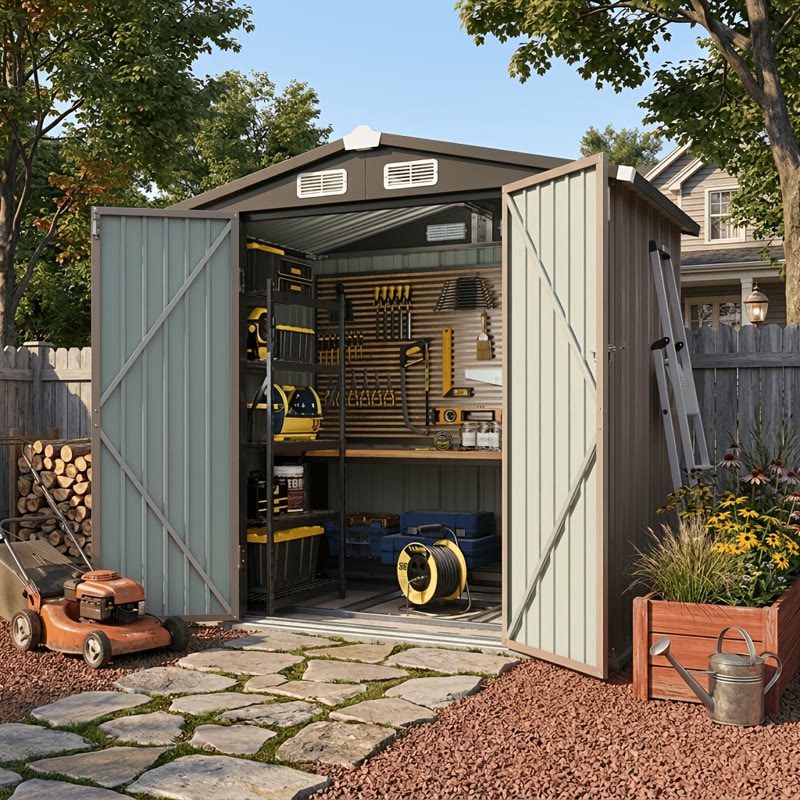
6x4 Ft Brown Outdoor Storage Shed with Lockable Double Doors
Just bought the car? Clear the garage so it actually fits. This weatherproof steel shed has lockable double doors — and no monthly storage-unit bill.
$137.21 on Temu
See the shed on TemuAffiliate link: if you buy, this site may earn a commission at no extra cost to you. Price checked September 2026; Temu prices change often.
You come out of work, turn the key — and nothing. The lights work. The engine will not even try. Your car has not broken down. Across town, a computer at the lot that sold you the car told it not to start, because a payment did not land.
Nobody explained that box when you signed. They said "GPS" fast and slid the next paper across. This page slows that moment down.
What is actually hidden in the car?
Two tools often share one small box.
The GPS tracker is the quiet one. It reports where the car is, so the lender can find it for repossession when payments stop.
The starter interrupt device — the "kill switch" — sits in the circuit between your ignition and your starter motor. When the lender activates it remotely, the circuit stays open: the dash lights up, and the starter never turns. The Consumer Financial Protection Bureau's examiners define it exactly this way — a payment assurance device that interrupts the starter and prevents the vehicle from starting.
Some devices also nag you, on purpose — a beep or flashing light as a payment comes due. One box, three jobs: remind, locate, disable.
Why do dealers put these devices in cars?
Sit in the lot's chair for one honest minute. A BHPH dealer lends to buyers banks turned down, and its fear is simple: the car leaves, the payments stop, and the car — the only security for the loan — disappears. The beep keeps payments front-of-mind, the GPS means a defaulted car is found in an afternoon, and the starter interrupter can mean no tow truck at all.
Dealers will also tell you, truthfully, that the device is part of why they approved you at all — lower risk is how a low-score buyer gets keys instead of a no. That can be a fair trade. It becomes unfair when the trigger, warnings, and emergency rules were never explained. A trade hidden from you is a trap — see dealer traps.
Recommended · Temu
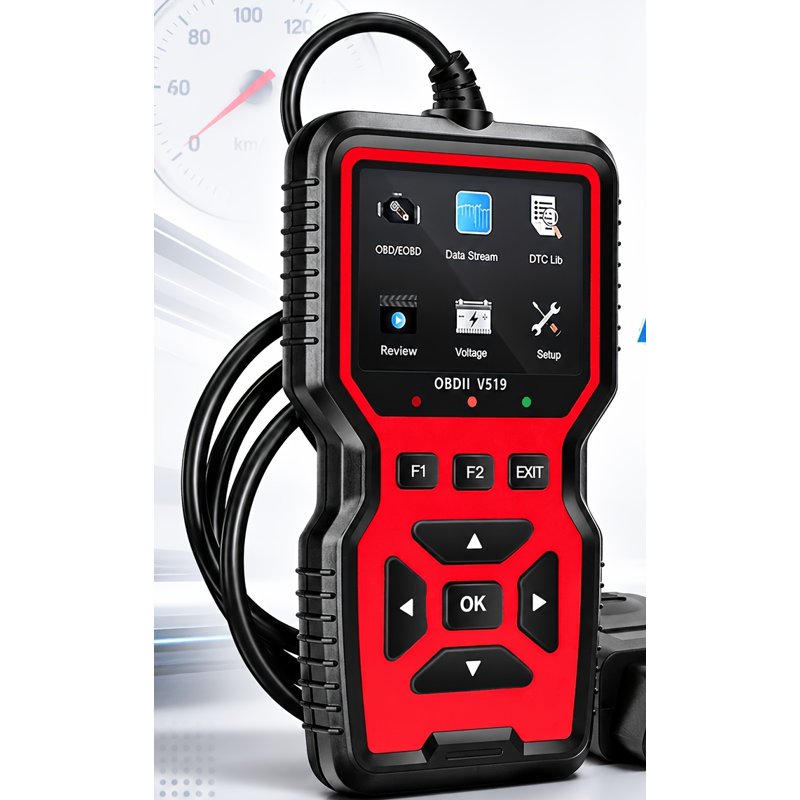
V519 OBD2 Scanner — Check Engine Code Reader
Before you sign for that used car, plug this in under the dash and read the codes yourself. It shows check-engine codes and live data — the stuff a seller hopes you never check. 4.6 stars, 28K+ sold on Temu.
$17.01 on Temu
See the scanner on TemuAffiliate link: if you buy, this site may earn a commission at no extra cost to you. Price checked September 2026; Temu prices change often.
Will the device shut your car off while you are driving?
No — not if it is what it claims to be. A starter interrupter does one thing: prevent the next start. Once the engine is running, there is no starter left to interrupt, and properly installed devices cannot disable a vehicle in operation.
The real harm is the stranding. The device waits until you turn the car off — at work, at a store, at school pickup — then refuses the restart. That is why warnings and an emergency contact are not paperwork niceties.
And when a lender uses this power sloppily, regulators act. The CFPB sued servicer USASF Servicing, alleging it incorrectly disabled vehicles at least 7,500 times, played warning tones over 71,000 times when borrowers were not in default or were in contact about paying, and disabled cars at least 1,500 times after promising it would not. The case was not about the box existing. It was about disabling cars that should not have been disabled. Your defense is a contract that says exactly when disabling is allowed — and records of every call you made.
Does Texas law make the dealer tell you about the device?
An honest answer: Nevada wrote a specific device law, covered next. Texas has no equivalent single statute for payment assurance devices that we could point you to. In Texas, the disclosure fight is won or lost in your contract and in general consumer law.
- The device should be named in what you sign. Search every sheet for "GPS," "tracking," "starter interrupt," "disabler," and "payment assurance." If a box is in the car and no paper mentions it, stop and ask why.
- Use has to match the disclosure. Federal examiners check whether a device was used the way it was disclosed at origination, and how devices are removed after payoff. A dealer who disables sooner, or for a reason the contract never stated, is breaking its own terms.
- Disabling still sits next to repossession law. A Texas taking after default must not breach the peace, and a disabling that strands you somewhere dangerous or ignores a documented agreement to wait is conduct the OCCC and CFPB exist to hear about. Already late? See what happens if you miss a buy here pay here payment.
Recommended · Temu
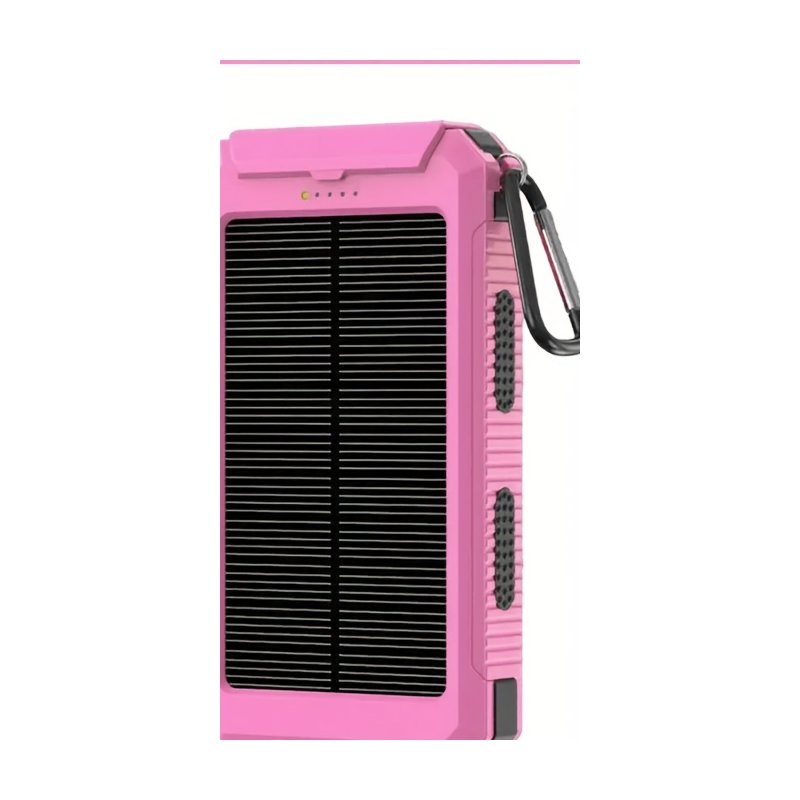
20,000mAh Solar Power Bank — Charges in the Sun
Your phone is your job — the lender's call, the gig app, the map. This 20,000mAh bank tops up from the sun and keeps your phone alive all shift. 4.7 stars.
$4.98 on Temu
See the power bank on TemuAffiliate link: if you buy, this site may earn a commission at no extra cost to you. Price checked September 2026; Temu prices change often.
How is Nevada's device law different?
Under Nevada Revised Statutes Section 598.9715, a creditor may not use starter interruption technology unless, before signing, the buyer signs a separate written agreement acknowledging the device. It must state that the starter can be disabled only after default and in no case sooner than 30 days after the due date of a missed payment; that disabling counts as a constructive repossession; and that the buyer gets actual notice at least 48 hours before the device is engaged — plus the name, address, and toll-free number of whoever can activate or reinstate it. Under Section 598.9717, maintenance, repair, and any damage the device causes are the creditor's costs, never the consumer's.
Texas buyers get none of those 30-day and 48-hour floors by statute. They have to bargain for clarity the Nevada buyer gets by law.
Can you refuse the device, or take it out later?
You can refuse before you sign — and be clear-eyed about it. At many BHPH lots the device is a condition of financing, so refusing usually means no deal at that lot. Your options: accept it with your eyes open, bring an approval from a lender who does not require one, or walk. Walking is always an option before signing; it mostly stops being one after.
Taking it out yourself is a bad idea. If the contract requires the device, removing it breaches the contract — and breach is what gives the holder its repossession rights. The device is usually the lender's property, and cutting ignition wiring can damage your car. If it malfunctions, do not touch the wires. Call the number on your contract, document each incident, and complain to the OCCC if the lot will not fix its own box.
What should you ask before you sign?
Ask out loud, and do not sign until the answers are in the paperwork. The questions checklist for a BHPH lot covers the whole deal; these are the device questions:
- Exactly how many days late triggers a disable? "Late" is not an answer. A number of days is.
- What warning do I get first — beep, light, text, call — and how long before the car will not start?
- What happens in an emergency? Is there a number for a temporary restart, day or night?
- Am I charged for the device — in the price, a fee, or the amount financed? Find the line.
- Who sees my location data, and for how long? If nobody can answer, that is an answer.
- When is it removed? The right answer: at payoff, at the dealer's cost.
A lot that installs these daily has answers to all six. If yours does not, buy elsewhere.
Recommended · Temu
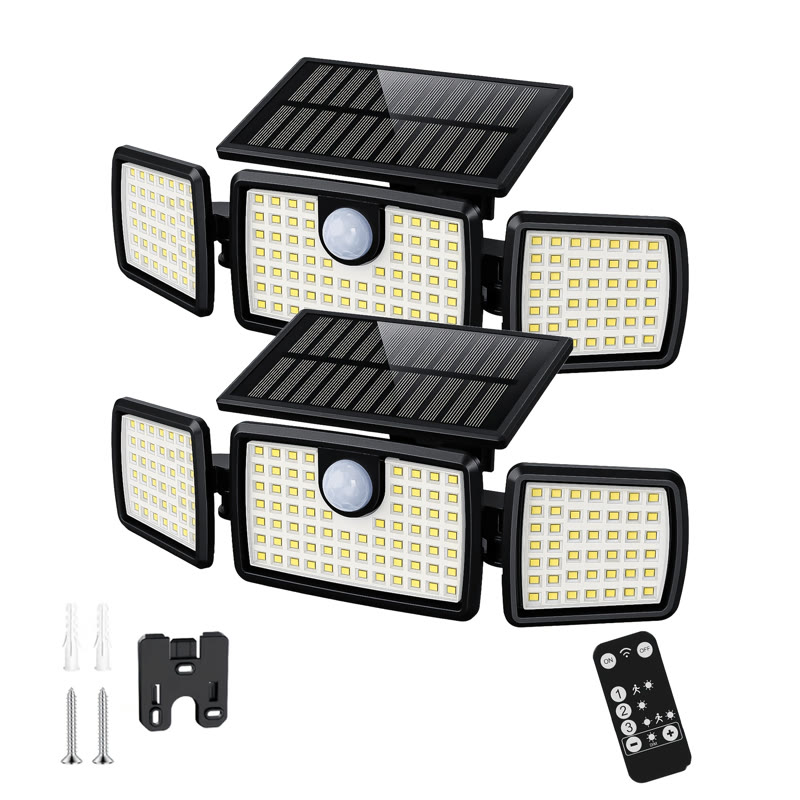
2-Pack 3-Head Solar Security Lights (3000LM, Motion Sensor)
A car the dealer can disable deserves a light the dealer cannot. This 2-pack of solar security lights (3000LM, motion sensor) keeps it lit and watched overnight — no wiring, no electrician, no monthly cost.
$22.26 on Temu
See the solar lights on TemuAffiliate link: if you buy, this site may earn a commission at no extra cost to you. Price checked September 2026; Temu prices change often.
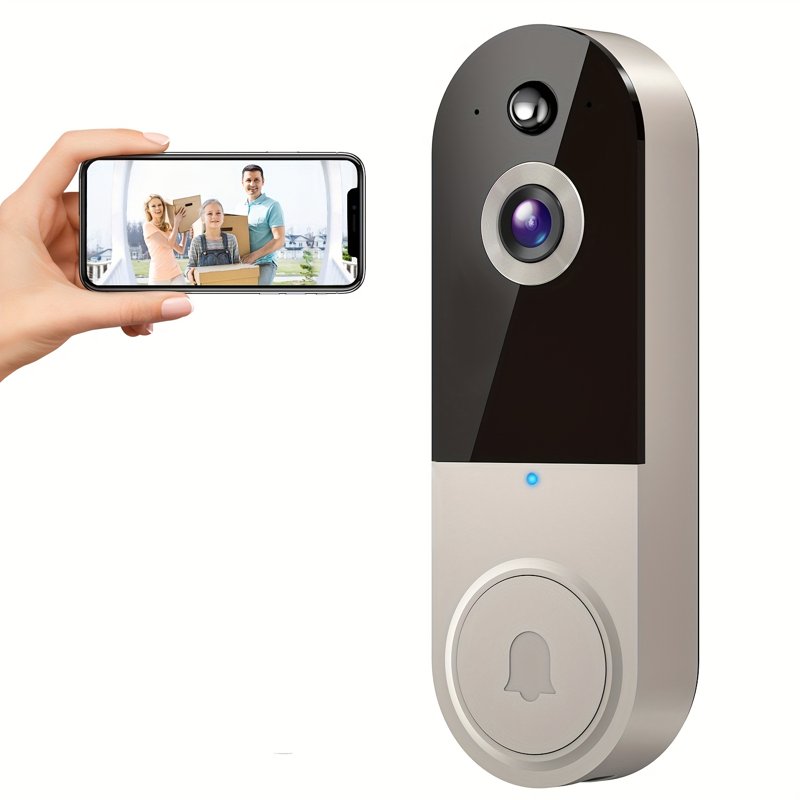
Recommended · Temu
1080P Video Doorbell Camera — Wireless, No Drilling
Your car sleeps in the apartment lot. This camera sticks on with no drilling, runs on a battery, and shows your front door — and who is near your car — right on your phone. 4.7 stars, 250K+ sold.
$9.98 on Temu
See the doorbell on TemuAffiliate link: if you buy, this site may earn a commission at no extra cost to you. Price checked September 2026; Temu prices change often.
Frequently asked questions
Is a GPS kill switch on a financed car legal in Texas?
These devices are widely used in Texas BHPH and subprime contracts, and no Texas device-specific ban was found in researching this page. Your contract is the legal ground: the device should be disclosed in what you sign, and used as that disclosure says.
Can the dealer turn my car off while I am on the highway?
A properly installed device cannot do that. It prevents the starter from working the next time you try to start the car; it does not cut a running engine. The real risk is being stranded after you park.
How will I know if my car has one?
Check your contract for "starter interrupt," "payment assurance," "GPS," or "disabler," and look for a small box or extra buzzer under the dashboard. The surest test is asking the dealer before signing and getting the answer — and the trigger — in writing.
Can I remove the kill switch after I buy the car?
Not cleanly. If your contract requires it, removing it breaches the contract and can trigger repossession, and the device normally belongs to the lender. Wait for payoff, when it should be removed, and get that confirmed.
What do I do if my car was disabled even though I paid?
Document everything — receipts, dates, where you were stranded — then demand reactivation. Wrongful disabling is what the CFPB acted on in its USASF case. If the lot will not fix it, file with the OCCC (800-538-1579) and the CFPB.
Does the device come out when I pay the car off?
It should. Federal examiners check how devices are removed after payoff. At your final payment, ask for written confirmation of removal — do not assume it happened.
<!-- sources: CFPB Auto Finance Examination Procedures (CFPB exam manual text) — starter interrupt device defined as a payment assurance device that interrupts starter functionality and prevents the vehicle from starting; examiners assess use in accordance with origination disclosure and removal after payoff. CFPB newsroom, "CFPB Sues USASF Servicing for Illegally Disabling Vehicles and for Improper Double-Billing Practices" (consumerfinance.gov) — incorrectly disabled at least 7,500 times, warning tones over 71,000 times when consumers were not in default or were in communication, at least 1,500 disables after promises not to. Device mechanics (ignition/starter circuit; prevents next start, does not shut off a running engine; properly installed devices cannot disable a vehicle in operation) via LegalClarity kill-switch guide and P&A Magazine industry analysis. Nevada Revised Statutes §598.9715 via LawServer/Justia — separate written agreement before signing with acknowledgment, no disable sooner than 30 days after due date of missed payment, actual notice at least 48 hours before engagement, constructive repossession, contact name/address/toll-free required; §598.9717 via LawServer — device is creditor/lessor responsibility including maintenance, repair, and device-caused damage, consumer must not pay those costs (scheme added by Nevada SB 350, effective July 1, 2017, per Orrick InfoBytes). Texas repossession rule: Business & Commerce Code §9.609. OCCC helpline 800-538-1579 via occc.texas.gov. CUT / NOT CLAIMED: a Texas Finance Code section requiring written disclosure/consent specifically for payment assurance devices — targeted searches of Texas statutes, OCCC materials, and Capitol records surfaced no such provision, so Texas disclosure is presented as contract practice and general consumer-law advice, with the absence of a Texas device statute stated plainly and no section number invented. CUT: any claim a device can shut off a moving vehicle — sources agree properly installed devices only prevent restarting; stranding and wrongful-disable abuse covered separately. -->