Supercar Scams: 7 Traps to Avoid When Buying Exotic
Quick answer: The most common supercar scams are fake dealer websites with too-good-to-be-true prices, sellers who demand wire transfers before you've seen the car, title washing that hides salvage history, and brokers who take your money and vanish. Never wire money for a car you haven't seen in person, with the title in hand and the VIN verified.

Recommended · Temu
21V Cordless Drill Kit — Full Tool Set in a Case
Every repair you do yourself is a payment you don't finance. This 21V drill kit comes with the bits and hand tools to start — brakes, batteries, and the small stuff. 4.7 stars, 49K+ sold.
$12.69 on Temu
See the drill kit on TemuAffiliate link: if you buy, this site may earn a commission at no extra cost to you. Price checked September 2026; Temu prices change often.
When a car costs more than a house, the scammers come out of the woodwork. Exotic cars are prime targets because the paydays are enormous and the buyers are often emotional — nobody thinks clearly when they're staring at their dream car.
Here are the seven traps, plain and simple.
1. The clone dealer website
The FTC warned about this in 2026: scammers build fake websites that impersonate real dealerships — same name, same inventory photos, slightly different URL. You find a Lamborghini at a price that makes your heart race, you call the number on the site, and a very professional "salesman" walks you through the deal.
Red flag: The price is way below market. A $180,000 Huracán when every other one is $230,000 isn't a deal — it's bait.
Protection: Look up the real dealer's phone number independently (not from the suspicious site) and call it. Check the physical address. If the "dealer" can't be verified three different ways, walk away.
2. The wire transfer demand
This is the single biggest rule in exotic car buying: never wire money for a car you haven't seen in person, with the title in hand, and the VIN verified. VINwiki said it to two million followers after watching a buyer lose money on an Aventador deal gone sideways — the buyer wired funds to a broker, the car was never where they said it was, and the whole thing dissolved into excuses.
Red flag: Any seller who wants a wire transfer, Zelle, crypto, or gift cards before you've touched the car. Legitimate sellers use escrow or in-person bank transactions.
Protection: Use a reputable escrow service that holds the money until the car is delivered and verified. If the seller won't use escrow, there's your answer.
Recommended · Temu
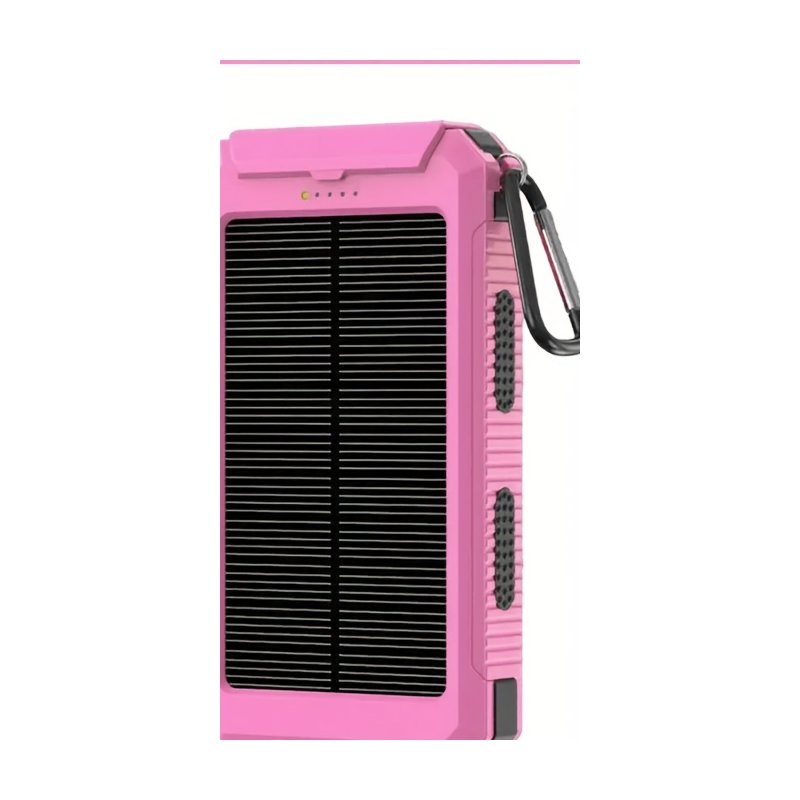
20,000mAh Solar Power Bank — Charges in the Sun
Your phone is your job — the lender's call, the gig app, the map. This 20,000mAh bank tops up from the sun and keeps your phone alive all shift. 4.7 stars.
$4.98 on Temu
See the power bank on TemuAffiliate link: if you buy, this site may earn a commission at no extra cost to you. Price checked September 2026; Temu prices change often.
3. Title washing on exotics
A salvage-title Lamborghini is worth a fraction of a clean one — so some sellers "wash" the title by moving the car through states with looser title branding laws. The salvage brand disappears, and the car looks clean on paper.
Red flag: A car with a patchwork title history across multiple states in a short time. Gaps in the ownership record.
Protection: Run the VIN through the free NICB VINCheck and check the NMVTIS database. A $40 vehicle history report is the cheapest insurance you'll ever buy on a six-figure car.
4. Odometer rollback
Rolling back 20,000 miles on a Huracán can add $15,000 to $30,000 to the asking price. Exotics are low-mileage cars by nature, so every thousand miles counts double — and digital odometers are not as tamper-proof as people think.
Red flag: Wear that doesn't match the miles — worn driver's seat bolsters, shiny steering wheel, rock-chipped front end on a "9,000-mile" car.
Protection: Service records tell the true mileage story. A Lamborghini dealer service history with dates and mileages is hard to fake. No records? That's a red flag by itself.

Recommended · Temu
1080P Video Doorbell Camera — Wireless, No Drilling
Your car sleeps in the apartment lot. This camera sticks on with no drilling, runs on a battery, and shows your front door — and who is near your car — right on your phone. 4.7 stars, 250K+ sold.
$9.98 on Temu
See the doorbell on TemuAffiliate link: if you buy, this site may earn a commission at no extra cost to you. Price checked September 2026; Temu prices change often.
5. The fake broker
The Aventador story is the textbook case: a "broker" with a great reputation offers you an insurance-buyback car at an incredible price. You wire the money. The car is never where they said. The broker starts sending excuses, then partial refunds, then silence. In that real case, the buyers eventually got money back — but never got a car.
Red flag: A middleman who controls all communication between you and the "seller." Pressure to move fast because "someone else wants it."
Protection: Deal directly with the titled owner. Verify their ID matches the title. If a broker is involved, verify the broker independently — real brokers have verifiable business histories, not just Instagram accounts.
6. Flood-damaged exotics
After every hurricane season, flood-totaled exotics quietly migrate to dry states with clean-looking paperwork. Salt water destroys electronics slowly — the car runs fine for six months, then the gremlins arrive, one $4,000 module at a time.
Red flag: Musty smell, silt in the trunk seams, foggy headlights, corrosion on seat rails and under-dash brackets. A car that lived in Florida or Texas and suddenly has a Montana title.
Protection: The sniff test is real — literally smell the car. Check under the carpets. And run that VIN history: flood totals are branded, but only if nobody washed the title first (see trap #3).
7. The counterfeit supercar
This one sounds made up, but Brazilian police busted a whole workshop building fake Lamborghinis and Ferraris — real badges, real-looking bodywork, Chevy and Mitsubishi engines underneath. They sold for $47,000 to $66,000 while the real cars were $400,000 to $800,000.
Red flag: A price that's 80% off with a story about why. Kit cars and replicas are legal if disclosed — the scam is selling them AS the real thing.
Protection: A pre-purchase inspection by a marque specialist. Any real exotic buyer spending six figures should spend $500 on an expert who knows exactly what a real one looks, sounds, and smells like underneath.
The golden rule
Every one of these traps has the same defense: slow down, verify everything, and never let excitement override the checklist. Run the VIN. Inspect in person. Use escrow. Check the title. The scammers are counting on you being too thrilled to do the boring stuff.
And here's the thing — these habits don't just protect a Lamborghini purchase. They protect a Honda purchase too. Whether the car costs $300,000 or $13,000, the process that keeps you safe is exactly the same: verify the car, verify the seller, verify the paperwork, and never wire money to a stranger.
Recommended · Temu
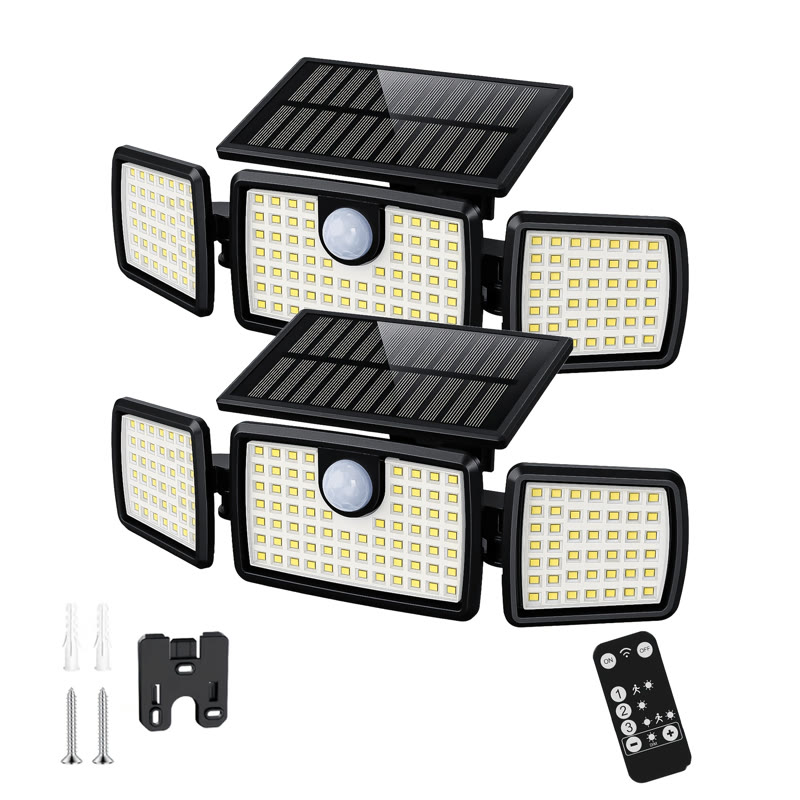
2-Pack 3-Head Solar Security Lights (3000LM, Motion Sensor)
Don't let scammers near your dream car — or your driveway. Solar security lights (3000LM, motion sensor) for under $20: no wiring, no monthly cost.
$22.26 on Temu
See the solar lights on TemuAffiliate link: if you buy, this site may earn a commission at no extra cost to you. Price checked September 2026; Temu prices change often.
Recommended · Temu
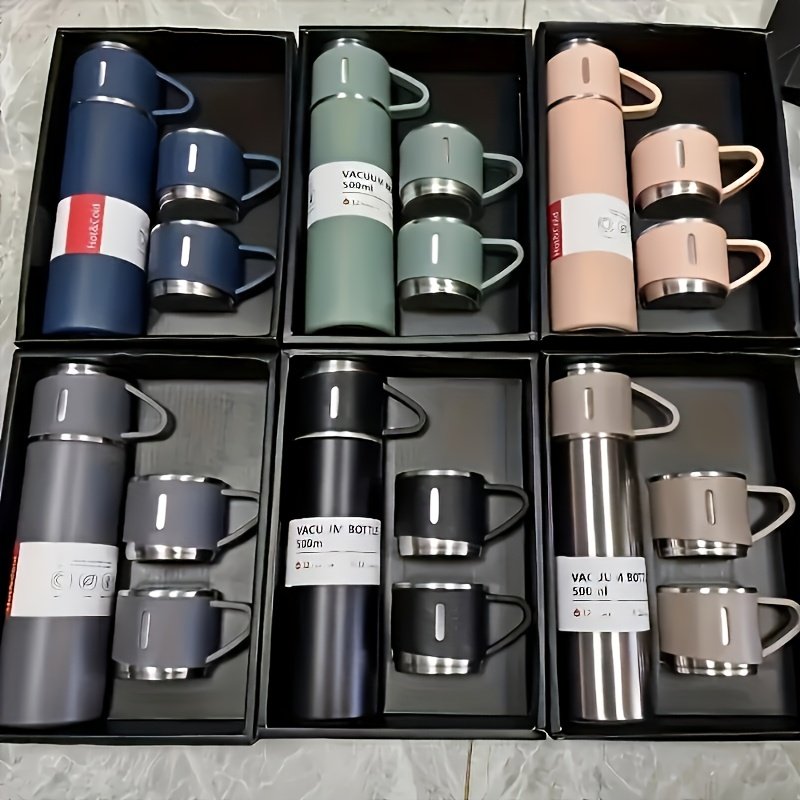
Insulated Cup Set — 4 Bottles & Cups, Gift Boxed
Coffee stays hot through a whole shift, and the set pays for itself in a week of skipped coffee runs. Four insulated bottles and cups, boxed up nice. 4.5 stars, 89K+ sold.
$5.18 on Temu
See the cup set on TemuAffiliate link: if you buy, this site may earn a commission at no extra cost to you. Price checked September 2026; Temu prices change often.
Frequently asked questions
What is the most common supercar scam?
Fake dealer websites and wire-transfer fraud. Scammers clone real dealership sites, list cars at impossible prices, and demand wire transfers or crypto before you've seen the vehicle. The FTC issued a formal alert about this in 2026.
How do I verify a supercar seller is legitimate?
Verify the dealer's physical address and phone number independently (not from their website), check the seller's ID against the title, run the VIN through NICB's free VINCheck, and insist on an in-person inspection before any money moves.
Should I use escrow when buying an exotic car?
Yes — for any private or long-distance exotic purchase. A reputable escrow service holds your money until the car is delivered and verified. Any seller who refuses escrow is telling you everything you need to know.
Can a salvage title be hidden on a supercar?
Yes, through title washing — moving the car through states with different title-branding rules until the salvage brand disappears. Always check the full title history across all states, not just the current one.