Best Used Cars Under $5,000 and $10,000 That Are Reliable
Quick answer: Under $5,000 at a dealer means roughly 2009–2013 cars; under $10,000 means about 2012–2013 for the most reliable names. The longevity data points one way: Toyota has a 19.7% chance of reaching 250,000 miles, Honda 13.3%, against a 5.4% average (iSeeCars). At this price, condition and a real inspection beat the model year every time.
Recommended · Temu
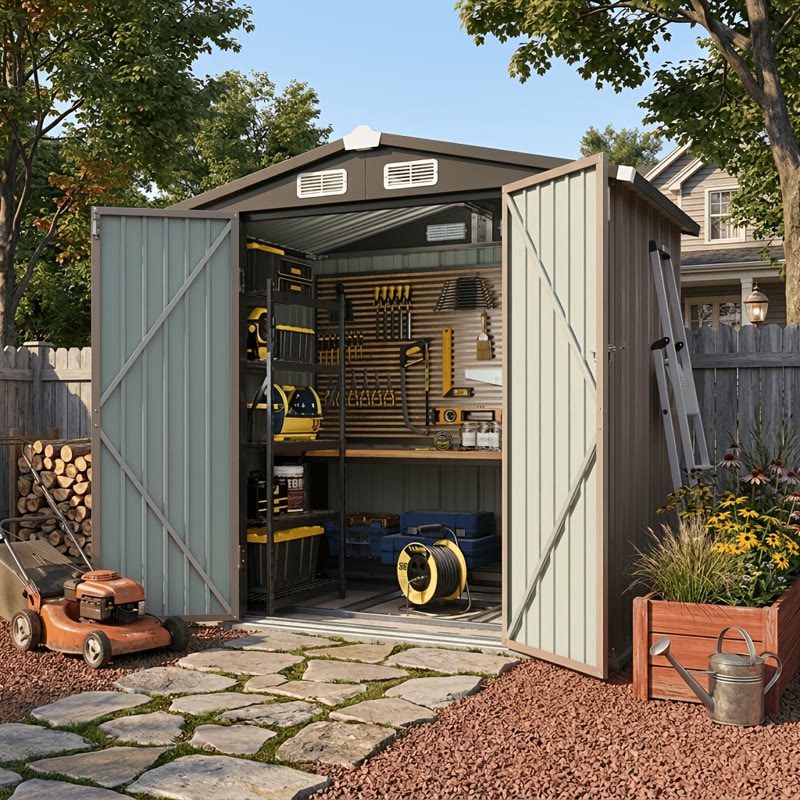
6x4 Ft Brown Outdoor Storage Shed with Lockable Double Doors
Just bought the car? Clear the garage so it actually fits. This weatherproof steel shed has lockable double doors — and no monthly storage-unit bill.
$139.91 on Temu
See the shed on TemuAffiliate link: if you buy, this site may earn a commission at no extra cost to you. Price checked September 2026; Temu prices change often.
Here's the blunt truth nobody at the dealership will tell you: at this price, the wrong car is worse than no car at all. A $5,000 car with a dying transmission isn't transportation. It's a $2,000 repair bill wearing a car's clothes — and on a $5,000 car, that bill is basically the whole car, all over again, except now you also owe the loan.
But this price range is not a junkyard lottery. There are real numbers on which cheap cars actually last, measured across hundreds of millions of cars. Your job is simple: a car that starts every morning and doesn't eat you alive. Here's the map.
What makes a cheap used car reliable?
Two things: how long that model is built to last, and how the car in front of you was treated. The first you can check with data. The second takes an inspection.
How long the model lasts. iSeeCars studied more than 395 million vehicles and measured each one's chance of reaching 250,000 miles (September 2026). The average vehicle has a 5.4% chance. Toyota sits at 19.7% — nearly four times the average. Honda is at 13.3%. Among passenger cars: Honda Civic 15.0%, Toyota Camry 8.8%, Honda Accord 8.4%, Toyota Corolla 5.4% — still above the 3.4% passenger-car average.
How the brand ages. Consumer Reports ranked brands on the reliability of their 5- to 10-year-old cars, from surveys covering more than 140,000 vehicles (December 2025): Lexus 77 out of 100, Toyota 73, Mazda 58, Honda 57. Same names leading both studies.
What it costs to keep one running. RepairPal puts average annual repair costs at around $362 for a Corolla, around $368 for a Civic, and around $388 for a Camry — against an all-car average of around $652. That difference stays in your pocket every year. (Averages across all years of each model — a guide, not a promise.)
One warning from Consumer Reports: reliability varies by model and year inside a brand. A great badge doesn't rescue a bad year — which is why the avoid list below matters as much as the picks.
Best used cars under $5,000
At a dealer, five thousand dollars buys roughly 2009–2013 cars, starting with the base trims. These are Kelley Blue Book Fair Purchase Prices — what buyers actually pay at dealerships (November 2026). Private sellers usually run cheaper, but dealer retail is the honest yardstick.
2010 Honda Civic — from $4,625. DX coupe from $4,625, DX sedan $4,925; nicer trims pass $6,000. The Civic is the longevity king here — that 15.0% chance of reaching 250,000 miles is the best number any cheap car posted — and at around $368 a year in average repairs (RepairPal), it's cheap to keep, not just cheap to buy. One exception: skip the 2009–2010 Civic Hybrid — Consumer Reports found roughly a third of owners of those years reported a hybrid battery replacement. Buy the regular gas Civic.
2013 Ford Fusion — from $4,950. S from $4,950, SE $5,925. The newer-car play: you trade some Toyota/Honda longevity edge for a car years younger at the same money. Gas models are the ones at this price; hybrids cost more. Because it isn't a Toyota or Honda, the individual car's condition carries more weight — the inspection below is not optional.
2009 Toyota Corolla — from $5,650. Base sedan from $5,650, most trims just over $6,000. The oldest car here and the simplest machine on the list — simple is a feature at this price. Fewer things to break, cheap parts everywhere, the lowest average repair cost we found (around $362 a year, RepairPal). If your budget is truly capped at $5,000, hunt this one at a private seller, where prices run below dealer retail.
"From" means base trim, typical condition. A clean, low-mile example can run more. A suspiciously cheap one is a question, not a gift.

Recommended · Temu
1080P Video Doorbell Camera — Wireless, No Drilling
Your car sleeps in the apartment lot. This camera sticks on with no drilling, runs on a battery, and shows your front door — and who is near your car — right on your phone. 4.7 stars, 250K+ sold.
$9.98 on Temu
See the doorbell on TemuAffiliate link: if you buy, this site may earn a commission at no extra cost to you. Price checked September 2026; Temu prices change often.
Best used cars under $10,000
Ten thousand dollars does not buy a late-model Toyota at a dealer. It buys a 2012–2013 one — and that's fine, because those are proven cars.
2013 Toyota Corolla — $8,600 to $9,275. Every trim fits the band, from the LE Special Edition at $8,600 and the L at $8,625 up to the S at $9,275. Probably the sweet spot of the whole article: new enough to feel modern, old enough to afford, cheap to run.
2012 Toyota Camry — $8,225 to $10,400. The bigger, more comfortable car, with the whole range in or right at the band — hybrid LE from $8,225, L $8,900, SE $9,000, LE $9,100, top trims just over $10,000. Its 8.8% chance of reaching 250,000 miles is one of the strongest midsize numbers, and average repairs run around $388 a year (RepairPal).
Now the honesty part. A 2015 Camry — three years newer — starts around $11,300 at a dealer. So when an ad promises a late-model Camry "under $10,000," one of three things is true: very high miles, rough condition, or a private-party sale. None is automatically bad. All three mean the inspection matters more, not less.
One more name: Consumer Reports named the 2016 Mazda6 its under-$10,000 Top Pick, based on median used-car prices — but KBB's dealer prices start around $10,850. Both are true; they measured different prices. Under-$10,000 Mazda6s exist at private sellers and higher miles, not at typical dealer retail.
| Model | Typical years in band | KBB starting price | Why it made the list |
|---|---|---|---|
| Honda Civic | 2010 | $4,625 | Best longevity of any cheap car (15.0% to 250,000 miles, iSeeCars) |
| Ford Fusion | 2013 | $4,950 | Newest car in the under-$5,000 band at dealer prices |
| Toyota Corolla | 2009 | $5,650 | Simplest, cheapest to keep (around $362/yr, RepairPal) |
| Toyota Corolla | 2013 | $8,600 | The sweet spot: every trim under $10,000 |
| Toyota Camry | 2012 | $8,225 | Bigger, more comfortable; 8.8% to 250,000 miles (iSeeCars) |
Which cheap used cars should you avoid?
Three traps, all verified in court settlements and federal recall records — and all three are cheap right now for a reason. The pattern is the same each time: a known defect, a settlement or recall, extra coverage that has now run out — and the cars landed in your price range carrying the risk with no protection left.
Nissan's CVT cars — Altima, Sentra, Versa, Rogue and others, roughly 2012–2019. These use a type of automatic transmission called a CVT, and Nissan's version failed so often it produced multiple class-action settlements. The settlements stretched the transmission warranty to 84 months or 84,000 miles — except that clock started the day the car was first sold, years ago. On essentially every covered car, the extra coverage has expired. You'd be buying the risk after the safety net came down — and there was never a safety recall. The warranty was the whole remedy.
Ford Focus and Fiesta automatics — 2011–2016 Fiesta, 2012–2016 Focus. Their automatic, called PowerShift, shudders pulling away from a stop, slips, and hesitates. About 1.9 million cars were covered by the class settlement; Ford never issued a safety recall, and its extended coverage has lapsed too. Manual versions don't have this defect — but automatics are the ones flooding the cheap listings, because their owners are done with them.
Hyundai Sonata and Kia Optima (and relatives) with the Theta II engine — mainly 2011–2014. A manufacturing defect left metal debris inside these engines, which can destroy the bearings and kill the engine. About 1.66 million vehicles were recalled. The settlement does give a lifetime warranty on the engine — but only if the car's VIN is in the settlement and there's proof the knock-sensor software update was installed. No proof, no protection. This one isn't "never buy." It's "never buy without the paperwork."
Notice what all three share: somebody else got coverage, and the coverage is gone. The low price isn't generosity. It's the market pricing in a repair you can't afford.
Recommended · Temu
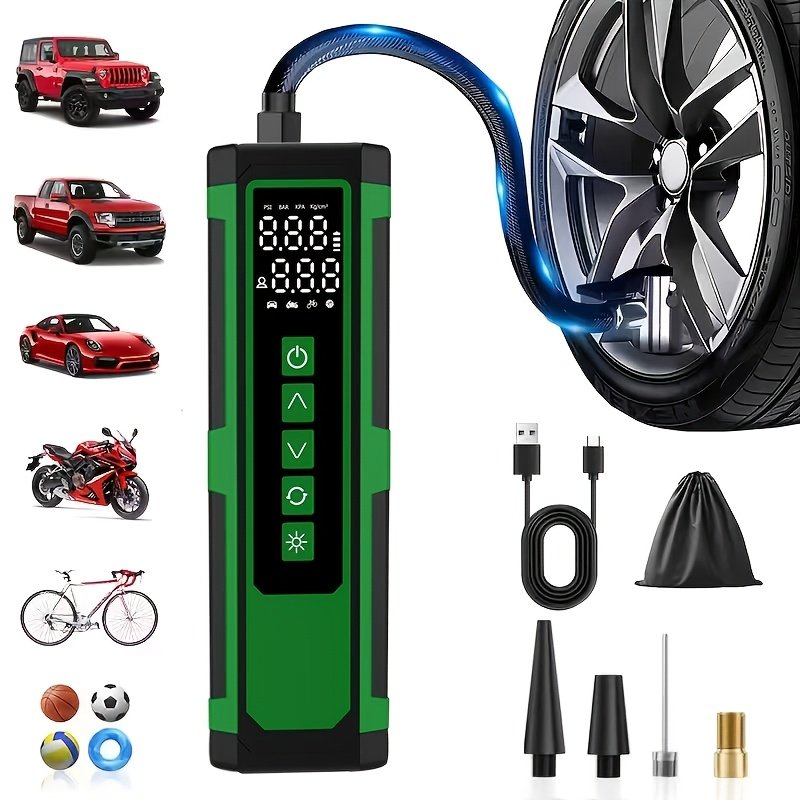
Portable Tire Inflator — Cordless Air Pump (150 PSI)
A flat tire on the way to work can cost you the job that pays for the car. This cordless inflator rides in the trunk and fills a tire in minutes — no gas-station air pump, no tow truck. 4.8 stars, 35K+ sold.
$7.45 on Temu
See the inflator on TemuAffiliate link: if you buy, this site may earn a commission at no extra cost to you. Price checked September 2026; Temu prices change often.
How does bad credit change the math on a cheap car?
It makes the car's price matter twice.
First, the rate. Experian's Q2 2026 report puts the average used-car APR at 19.10% for a 501–600 credit score, and 21.62% below 500. At rates like that, every extra thousand on the price carries a fifth or more in added interest over the life of the loan. A cheap car is how you keep an expensive loan small.
Second — the hopeful part — cheap cars are the easiest approvals in the building. Most subprime lenders typically want a down payment of $1,000 or 10% of the car's price, whichever is less. On a $5,000 car, 10% is $500. On a $9,000 car, it's $900. The cheaper car doesn't just cost less. It asks less of you up front.
Then keep the payment where lenders want it: most subprime lenders typically cap the payment at about 15% to 20% of your gross monthly pay — your pay before taxes. (Lenders call this payment-to-income.) A $5,000–$9,000 car fits that window on an ordinary paycheck. A $15,000 car fights it. The cheap, reliable car isn't settling. It's the move that gets approved, stays approved, and starts every morning while it rebuilds you.
What should you check before you buy at this price?
One thing above everything: pay for an independent inspection before you buy. Not the seller's mechanic. Yours.
Edmunds puts a pre-purchase inspection at generally $100 to $200; Consumer Reports says about $100 to $150, with a written report. Against the stakes, that's $100–$200 to protect a $5,000–$9,000 purchase from a multi-thousand-dollar surprise. The badge got the car onto your list. The inspection decides whether this one deserves your money.
A real inspection catches what a listing photo never shows: transmission behavior (the exact failure in two of the traps above), engine leaks and wear, frame damage from old accidents, worn brakes and tires that add hundreds to your first month, and a check-engine light cleared yesterday to hide a code.
Then ask the seller, word for word:
- "Can I take it to my own mechanic for an inspection before I buy?" (Any answer but yes ends the conversation.)
- "Do you have service records — oil changes, repairs, anything?"
- "Has the transmission ever been replaced or repaired?"
- "On the Hyundai and Kia models: can you show me proof the knock-sensor update was done, and can I run the VIN?"
- "Is the title clean, and is it in your name?"
A seller with a good car expects these questions. A seller who rushes you past them just answered the only one that matters.
Want to see what your down payment opens up before you shop? The down payment calculator on this site shows you the car price your money can carry.
Sources: iSeeCars, "Longest-Lasting Cars" longevity study (September 2026) — chances of reaching 250,000 miles; Consumer Reports, used-car brand reliability rankings for 5- to 10-year-old cars (December 2025) and used-car inspection cost guidance; Kelley Blue Book Fair Purchase Prices, dealer retail (November 2026); Edmunds, pre-purchase inspection cost ($100–$200); Experian, State of the Automotive Finance Market, Q2 2026 (APR figures). Annual repair-cost averages are RepairPal's published figures, reproduced approximately; down-payment and payment-to-income figures reflect typical subprime lender practice as reported by CarsDirect and Auto Credit Express; individual lenders vary.
Recommended · Temu
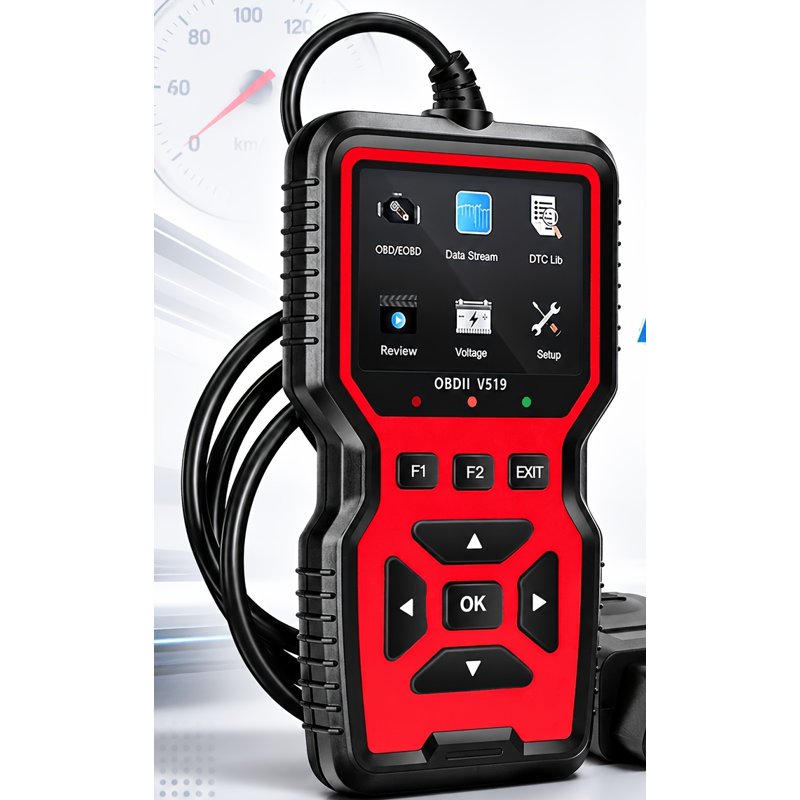
V519 OBD2 Scanner — Check Engine Code Reader
Checking a cheap used car before you buy? This OBD2 scanner reads the fault codes yourself — including the ones a seller cleared yesterday to hide a problem.
$13.96 on Temu
See the OBD2 scanner on TemuAffiliate link: if you buy, this site may earn a commission at no extra cost to you. Price checked September 2026; Temu prices change often.
Recommended · Temu
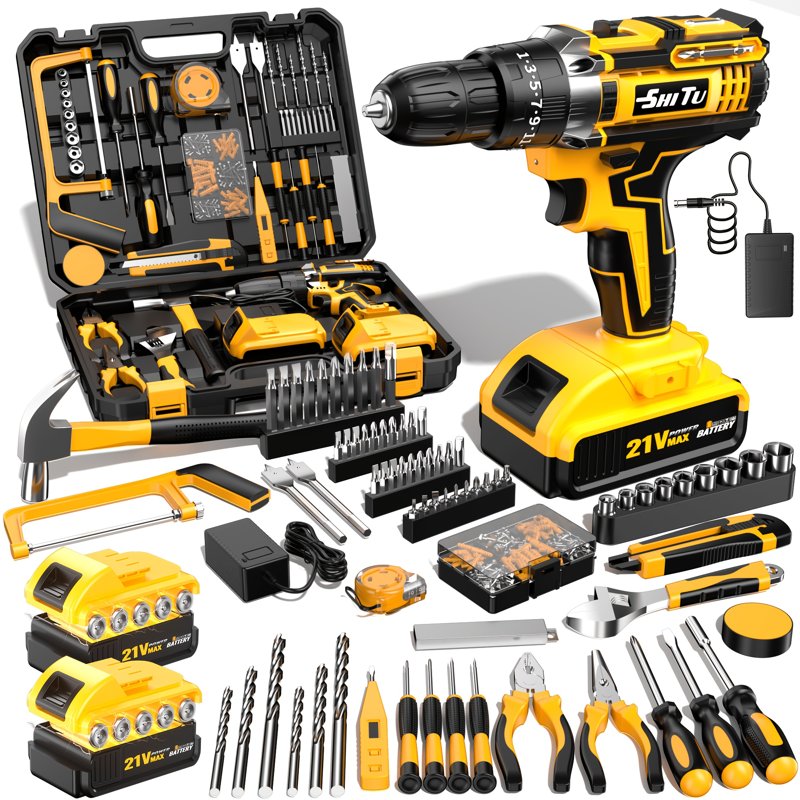
21V Cordless Drill Kit — Full Tool Set in a Case
Every repair you do yourself is a payment you don't finance. This 21V drill kit comes with the bits and hand tools to start — brakes, batteries, and the small stuff. 4.7 stars, 49K+ sold.
$11.97 on Temu
See the drill kit on TemuAffiliate link: if you buy, this site may earn a commission at no extra cost to you. Price checked September 2026; Temu prices change often.
Frequently asked questions
Is 150,000 miles too many on a cheap used car?
Not by itself. The right cars routinely go far past that — Civic, Camry, Accord, and Corolla sit on the longevity lists precisely because high miles are normal for them. What matters is which car and how it was kept. A maintained 160,000-mile Corolla with records is safer than a neglected 110,000-mile car with none. Miles are a number. Maintenance is the story.
Dealer or private seller at this price?
Both work; they trade different things. Dealers cost more — the KBB figures here are dealer prices — but you get financing in one place, including subprime lenders who report your payments. Private sellers charge less, which can pull a better car into your budget, but there's no financing counter and no recourse if you skip the inspection. Either way, the inspection is non-negotiable — at this price it's the only warranty you can count on.
Should I buy the extended warranty the lot offers?
Run the math before you sign. Ask the total cost, what it actually covers — engine and transmission, or a short list of small parts — how long it lasts, and what you'd still pay per repair. Then compare it to the inspection: $150 spent steering you away from a bad car protects you more than a warranty that pays half of fixing one. If the car passes inspection and the warranty genuinely covers the engine and transmission at a price that doesn't wreck your payment, it can be worth it. If it's vague about coverage, it's a payment, not protection.
Why are there no newer cars on this list?
Because the honest answer at these prices is older cars. A 2015 Camry starts around $11,300 at a dealer — already over the line. Lists promising late-model cars under $10,000 are usually quoting private-party prices, salvage titles, or very high miles without saying so. A straight 2012–2013 car with a clean inspection beats a "deal" on a newer car with a hidden story.