Yo-Yo Financing and Spot Delivery: The Car Dealer Scam, Explained
Quick answer: Spot delivery means you drove the car home before the financing was final — the deal you signed may not be done. If the dealer calls back and yo-yos you into worse terms, you can refuse. If the deal unwinds, your trade-in and down payment come back. Your protection is your contract and state law — read the contingency clause.
Recommended · Temu
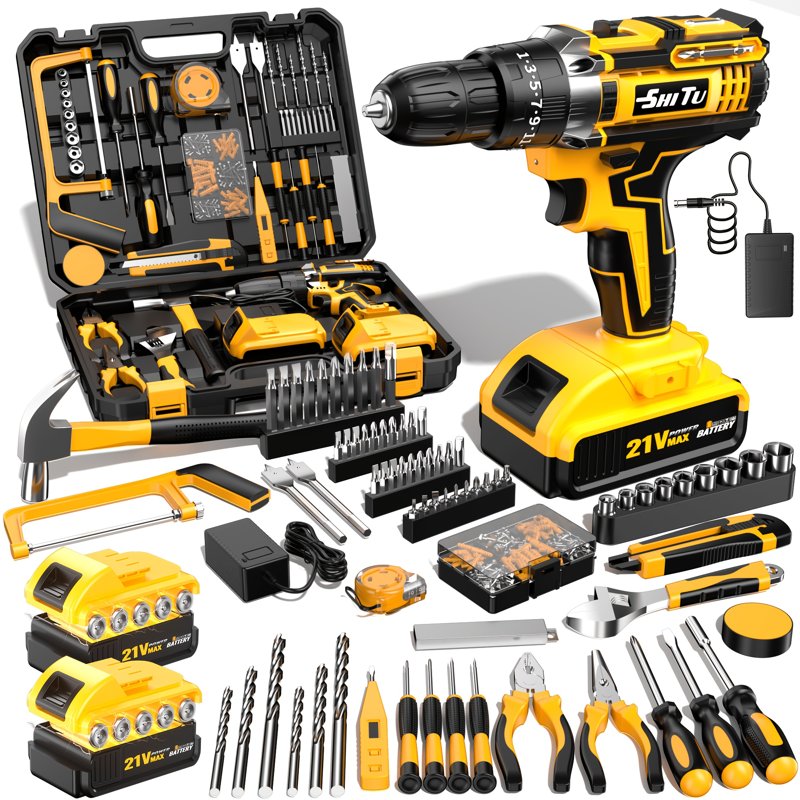
21V Cordless Drill Kit — Full Tool Set in a Case
Every repair you do yourself is a payment you don't finance. This 21V drill kit comes with the bits and hand tools to start — brakes, batteries, and the small stuff. 4.7 stars, 49K+ sold.
$11.97 on Temu
See the drill kit on TemuAffiliate link: if you buy, this site may earn a commission at no extra cost to you. Price checked September 2026; Temu prices change often.
It's about a week after you bought the car.
The car is in your driveway. Your kid has already claimed the back seat. Then your phone rings, and it's the finance manager, doing that slow, serious voice.
"I'm sorry. The financing fell through. Come back in and sign some new paperwork. The rate's going to be a little higher, and we'll need more money down. Or — well — you can bring the car back."
Here's the blunt truth: that phone call is the whole scam. Not the lot, not the test drive, not the first signature. The call. In that moment, you feel like you have two choices — sign worse, or lose the car — and almost everybody folds.
You have a third choice. You can say no.
Nobody told you that. This page will.
What is spot delivery?
Short answer: you take the car home before your loan is actually final.
Here's how the Consumer Financial Protection Bureau (CFPB) defines it: "Some dealers allow customers to take their new vehicle home before the loan has been finalized or fully approved by the lender. This is called 'spot delivery' or 'conditional financing.'"
Read that again. The car is in your driveway, but no lender has agreed to anything yet. What you signed is a contract between you and the dealership, and the dealer still has to find a lender willing to buy it. If no lender takes it on the terms you signed, the deal isn't dead — but it isn't done, either. And buried in most of those contracts, per the CFPB, is a clause — or a whole separate agreement — that lets the dealer renegotiate if the signed terms turn out to be not "to the dealer's liking." That clause is the trapdoor under your driveway.
What is yo-yo financing?
Short answer: it's the callback. The dealer uses that trapdoor to yank you back to the lot and rewrite your deal.
The CFPB names it plainly: "yo-yo" financing. The play, step by step:
- You sign and drive off happy. As far as you know, the deal is done. You stop shopping.
- Days later, the call comes. The dealership says it can't make the loan at the terms you agreed to.
- The new offer is worse. In the CFPB's words, they can only offer a loan with "a higher interest rate, a longer term, a larger down payment, or a combination of those terms."
- The pressure closes in. Sign today, or bring the car back. And by the way — your trade-in may already be sold, so going back isn't really an option.
The honest part: sometimes the financing really did fall through. You signed a contract owed to the dealership, the dealer shops it to lenders, and sometimes every lender says no. That happens, and it isn't automatically a crime. But the structure is built to be abused. As consumer-law attorney John Van Alst of the National Consumer Law Center put it: "They want you to feel bound by the contract, but they want to be able to walk away." When the callback is a lever to force a worse deal than the one you signed, that's the scam — and regulators have treated it exactly that way.
Recommended · Temu
20,000mAh Solar Power Bank — Charges in the Sun
Your phone is your job — the lender's call, the gig app, the map. This 20,000mAh bank tops up from the sun and keeps your phone alive all shift. 4.7 stars.
$4.98 on Temu
See the power bank on TemuAffiliate link: if you buy, this site may earn a commission at no extra cost to you. Price checked September 2026; Temu prices change often.
Can the dealer really make you sign a new deal?
Short answer: no. You are not required to agree to different financing — and if you refuse, the dealer has to unwind the sale.
This is the part nobody at the dealership will say out loud, so take it from the CFPB's own auto loan guide: "You don't have to agree to a second deal." And if you don't agree? "The dealer has to unwind the sale and give you back your trade-in and down payment."
That's the whole ballgame. The new deal only happens if you sign it. No signature, no new deal. What happens instead is an unwind: they get their car back, you get your trade-in and your down payment back, and everybody goes home with what they walked in with. (One more possibility — keeping the car on the original terms — depends on whether your contract clearly disclosed the contingency. It's in the FAQ below.)
Now the honest limits, because this is where your state takes over. Whether a disclosed contingency clause is enforceable, how long a dealer has, and the rules for getting a trade-in back are set by your state's law and the contract you signed. There is no national deadline, and federal law does not give car buyers a general three-day cooling-off right on dealership purchases — the Federal Trade Commission (FTC) says so flatly. A federal rule aimed at scams like this one almost existed, but it was struck down in court in 2025 and withdrawn in 2026; it never became law. What protects you is the contract, and your state's law.
Regulators do enforce against the deceptive version. In 2016 the FTC charged the Los Angeles-area Sage Auto Group dealerships — its first case against a dealer for yo-yo financing tactics — and Sage settled in 2017 for about $3.6 million. In 2018 the FTC mailed more than $3.5 million in refunds to over 43,000 people Sage had harmed. The yo-yo is not a gray area in the FTC's eyes. It's a named abuse.
Buying in California? You have an extra layer.
One short note if you bought — or are about to buy — in California. California's own CARS Act (SB 766), live since October 1, 2026, adds state protections on top of everything above — including a 3-day right to cancel on many used cars sold for $50,000 or less. That right is separate from the yo-yo rules, and it doesn't cover new cars. Read your contract; California buyers have more in writing working for them than most. Outside California, your state consumer protection office can tell you your state's rules.
Recommended · Temu
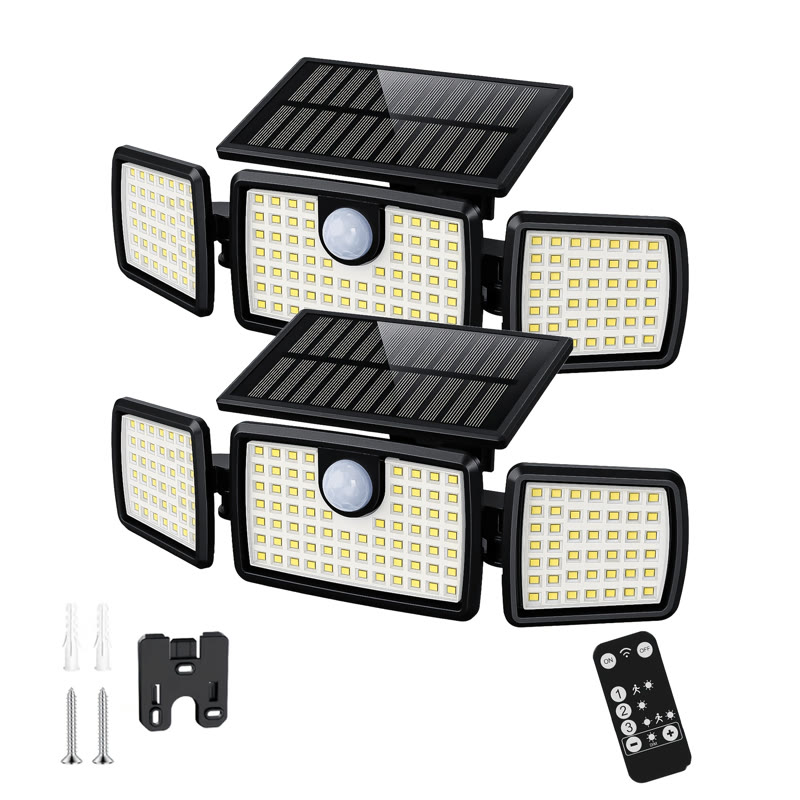
2-Pack 3-Head Solar Security Lights (3000LM, Motion Sensor)
Your car sits outside overnight — apartment lot, driveway, or street. This 2-pack of solar security lights (3000LM, motion sensor) keeps it lit and watched — no wiring, no electrician, no monthly cost.
$22.32 on Temu
See the solar lights on TemuAffiliate link: if you buy, this site may earn a commission at no extra cost to you. Price checked September 2026; Temu prices change often.
What should you check BEFORE you drive off?
Short answer: everything — because spot delivery only works on buyers who leave not knowing if their deal is final.
The CFPB's own checklist for the signing table:
- Verify every number. Rate, term, payment, amount financed — all of it must match what you agreed to. If a number moved, stop.
- No blank spaces. Finish the paperwork with all blanks filled in. A blank you leave today is a term somebody writes in tomorrow.
- Both signatures. The paperwork must be signed by you and the dealer.
- Copies of everything. Walk out with a copy of every page you signed — not a promise to mail them.
Then ask the one question that defuses the whole play, and take the FTC's advice: ask whether the deal is final — and get that answer in writing. If the answer is "it depends," find the contingency clause and read it before the keys change hands. Keep copies of your trade-in paperwork, too — title, payoff figures, the dealer's valuation. If a deal ever unwinds, those papers are your receipt for getting your old car, or its value, back.
The strongest shield of all is showing up with your own financing done. A real preapproval from your bank or credit union means a lender has already quoted you a rate, a term, and a maximum loan amount — the CFPB's definition. A dealer's "you're approved" across the desk is not that. With your own lender's quote in your pocket, there's nothing to unwind. Run your numbers through the approval calculator on this site before you shop, so you know what a lender should be offering you.
What do you do when the call comes?
Short answer: slow down, get it in writing, and say the sentence they're hoping you don't know.
The call is designed to rush you — the serious voice, the "today," the hint of a tow truck. Pressure is the product. So take the speed out of it:
- Don't race back to the dealership. No rule says you have to be back within the hour. Ask them to put it in writing: what fell through, and exactly what the new terms are. Dealers running a play hate paper. If you do go in, bring someone with you — and bring your copies.
- Check your paperwork. Find the contingency clause, if there is one. Was the deal clearly marked conditional? Or did your paperwork present it as done?
- Say the words. "I'm not agreeing to different financing. If the deal can't stand as signed, unwind it — my trade-in and my down payment come back to me." That's not a threat. That's the CFPB's description of how this is supposed to work.
- Hold the line on the refund. Stalling on your trade-in or down payment after you've refused the new deal is a red flag regulators know by name. In the FTC's own telling of this scam, the buyer who pushed back — and mentioned reporting the dealer to the state attorney general — got the deal unwound and his trade-in back. That's an illustration, not a guarantee; your outcome depends on your contract and your state. But a buyer who knows the rules is a much harder mark.
- Report it if it goes wrong. File a complaint with the FTC — the general route for a yo-yo complaint — and with the CFPB if a buy here pay here dealer was involved. Your state attorney general and consumer protection office handle these too.
The panic you're supposed to feel on that call is manufactured. Underneath it, the facts are calm: no new signature, no new deal — and an unwind that hands you back what you brought in. It's a salesperson reading from a script, hoping you never read yours: the contract.
Sources: Consumer Financial Protection Bureau (CFPB) — Ask CFPB, "Can the dealer increase the interest rate after I drive the vehicle home?" (spot delivery, the contingency clause, yo-yo financing, the right to refuse new terms), and Take Control of Your Auto Loan (2024) ("You don't have to agree to a second deal"; on refusal, the dealer unwinds the sale and returns your trade-in and down payment; preapproval defined as a lender quote with rate, term, and maximum amount). Federal Trade Commission (FTC) — "Avoiding a Yo-yo Financing Scam"; "Buying a Used Car From a Dealer" (no federal three-day cancellation right for dealership purchases); FTC v. Sage Auto Group (charges 2016; settlement of about $3.6 million in 2017; more than $3.5 million refunded in 2018). National Consumer Law Center (NCLC), via NPR (2023), on how spot-delivery contracts work. California CARS Act (SB 766), operative October 1, 2026 (including a 3-day cancellation right on used vehicles sold for $50,000 or less). The federal FTC CARS Rule was vacated in 2025 and withdrawn in 2026; it is not law. Whether a conditional-delivery clause is enforceable, and the deadlines and refund mechanics that apply, vary by state and by the contract you signed.
Recommended · Temu
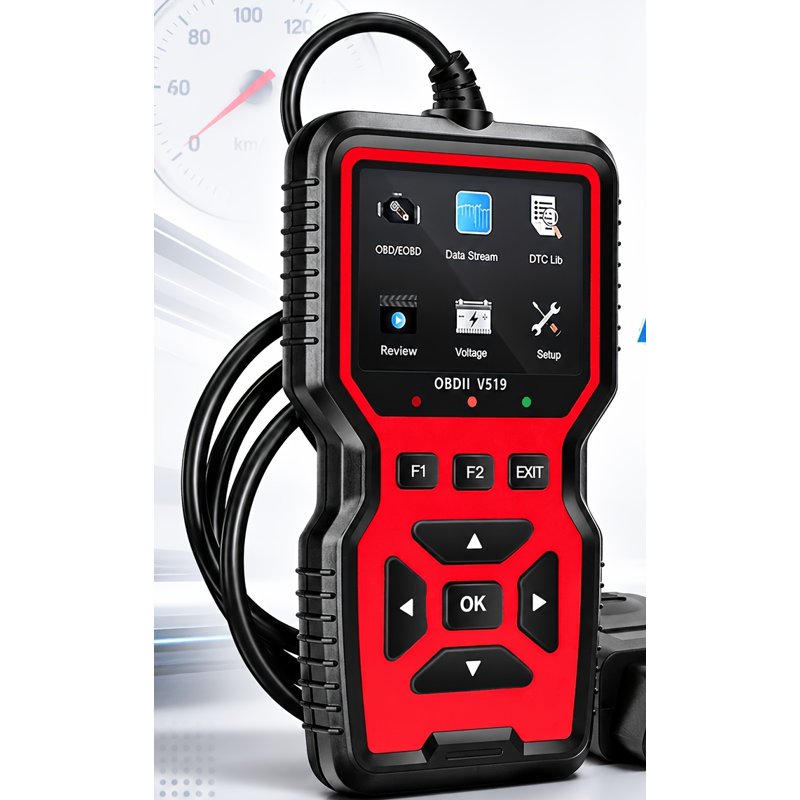
V519 OBD2 Scanner — Check Engine Code Reader
The deal is done and the car is yours — keep it that way. This OBD2 scanner reads the fault codes yourself, including the ones a seller cleared yesterday to hide a problem.
$13.96 on Temu
See the OBD2 scanner on TemuAffiliate link: if you buy, this site may earn a commission at no extra cost to you. Price checked September 2026; Temu prices change often.
Recommended · Temu
6x4 Ft Brown Outdoor Storage Shed with Lockable Double Doors
Still paying for a storage unit every month? This 6x4 shed costs about what a couple of months of unit rent does — and then it is yours.
$139.91 on Temu
See the shed on TemuAffiliate link: if you buy, this site may earn a commission at no extra cost to you. Price checked September 2026; Temu prices change often.
Frequently asked questions
The dealer says my trade-in is already sold. Now what?
That's the pressure lever — it's meant to make you feel there's no way back, so you'll sign anything. Under the unwind principle the CFPB describes, when you refuse a second deal the dealer has to give you back your trade-in and your down payment; if the car itself is gone, what you're owed instead is a question of your contract and your state's law. Don't let "already sold" stampede you into signing. Get the claim in writing, and talk to your state consumer protection office before agreeing to anything.
How long does the dealer have to call me back?
There is no national deadline — no federal number of days anyone can honestly quote you. The window, if there is one, lives in the contingency clause you signed and in your state's law. If your paperwork sets a window, hold the dealer to it.
Is yo-yo financing illegal?
The deceptive version has drawn real enforcement: the FTC's first yo-yo case, against Sage Auto Group in 2016, ended in a settlement of about $3.6 million and more than $3.5 million refunded to consumers. But a callback by itself isn't automatically a crime — sometimes a lender genuinely refuses the loan. What the law cares about is what was disclosed, what you signed, and what your state prohibits. The paperwork, not the phone call, decides your position.
Can I just keep the car and pay the original terms?
Maybe — and it's worth checking before you hand back the keys. The CFPB says you may have a right to keep the car and pay as originally agreed if the contract did not include a clear statement that the deal was not final, or that the sale was conditional on the dealer finding a buyer for the loan within a short time. Read your contract for that language. If it's missing or muddy, that's an argument worth having — copies in hand and, if needed, a consumer attorney beside you.
Doesn't the law give me three days to cancel any car deal?
No — not at the federal level, and this myth costs people real money. The FTC states it plainly: federal law doesn't require dealers to give you three days to cancel and return the car. Some states create cancellation rights of their own — California's CARS Act, live since October 1, 2026, gives a 3-day right to cancel on many used cars sold for $50,000 or less — but that's California law for California deals, not a national rule, and it's separate from the yo-yo protections above.