How to Get a Car with $500 Down and Bad Credit (No Cosigner)
Quick answer: Yes, $500 down is real, but the shop decides it. Regular dealers: subprime lenders typically want $1,000 or 10% of the price, whichever is less, so $500 fits a car around $5,000. Buy here pay here lots take $500, but many never report on-time payments, so it may not rebuild credit. At 501-600, used APR averages 19.10% (Experian, Q2 2026).
Recommended · Temu
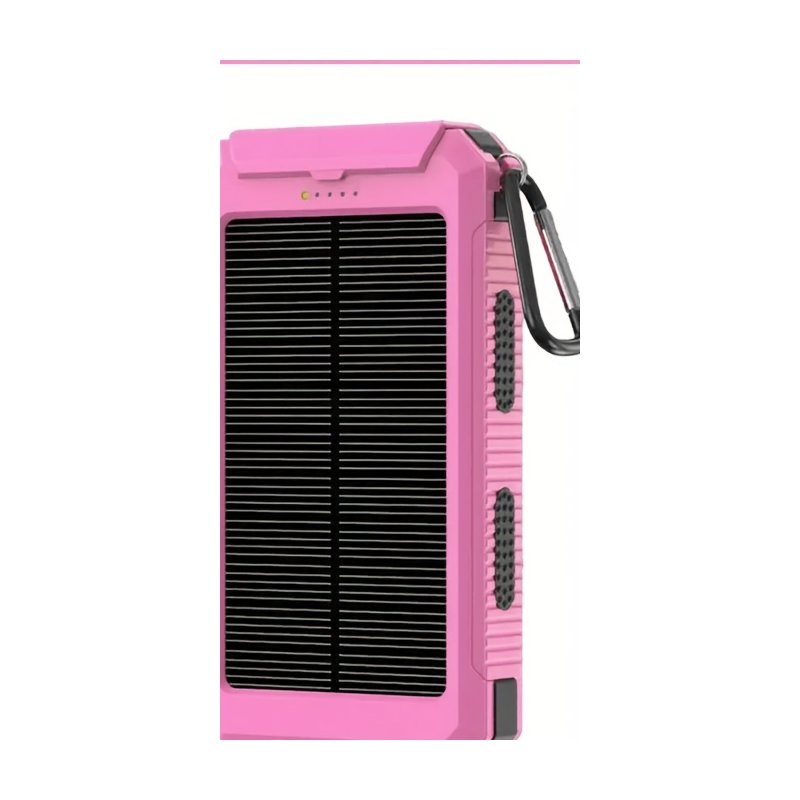
20,000mAh Solar Power Bank — Charges in the Sun
Your phone is your job — the lender's call, the gig app, the map. This 20,000mAh bank tops up from the sun and keeps your phone alive all shift. 4.7 stars.
$4.98 on Temu
See the power bank on TemuAffiliate link: if you buy, this site may earn a commission at no extra cost to you. Price checked September 2026; Temu prices change often.
You've seen the ads. "$500 down! Bad credit OK! Drive today!"
Here's the blunt truth nobody at the dealership will tell you: the $500 is real — but it's only half the story. Whether $500 gets you a car depends on which door you walk through — and what happens after depends on one question most buyers never ask.
Your credit score is not the wall you think it is. People with scores in the 400s and 500s buy cars every day. The real obstacle is the down payment — always has been. And that obstacle is smaller than you think. Five hundred dollars can clear it — if you pick the right road.
Can you really buy a car with only $500 down?
Yes — in two different ways.
At a regular dealer, $500 down works when the car's price is low enough — there's a simple rule behind it. At a buy here pay here lot, $500 down is a common starting point, no rule needed, because the lot is the bank.
Neither road needs a cosigner. Both get you driving. But one rebuilds your credit while you drive, and the other one might not — and nobody volunteers that at the second kind of lot.
How does $500 down work at a regular dealer?
Through one rule: most subprime lenders want a down payment of $1,000 or 10% of the car's price, whichever is less.
"Whichever is less" is the part that matters. Run the math. On a $12,000 car, 10% is $1,200 — so the minimum is $1,000, and your $500 doesn't get there. But on a $5,000 car, 10% is $500. Your $500 covers it exactly. That's the whole trick: $500 down at a regular dealer means shopping for a car around $5,000.
That down payment can be cash, trade-in value, or a mix of both.
Now the interest rate, because you should walk in knowing it. Experian's Q2 2026 report puts the average used-car APR at a 501 to 600 score at 19.10%. Below a 500 score, the average is 21.62%. That's exactly why the cheaper car matters. A high rate on a $5,000 car is a manageable payment. A high rate on a $20,000 car is a trap. The average subprime buyer finances over $22,000, and the average buyer puts $4,092 down. You don't have to do either. The minimum is what opens the door.
Recommended · Temu
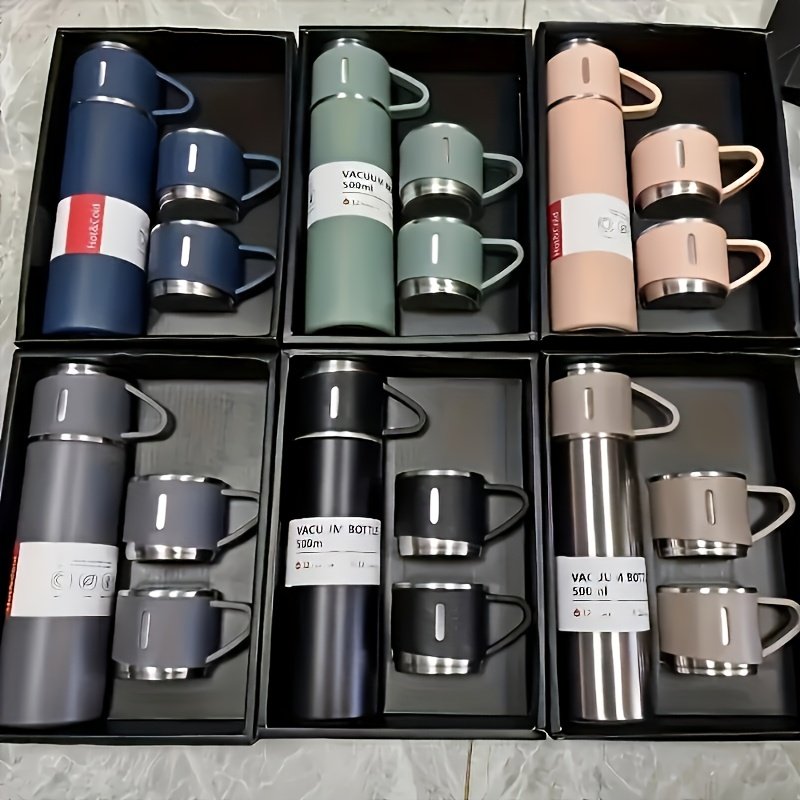
Insulated Cup Set — 4 Bottles & Cups, Gift Boxed
Coffee stays hot through a whole shift, and the set pays for itself in a week of skipped coffee runs. Four insulated bottles and cups, boxed up nice. 4.5 stars, 89K+ sold.
$5.18 on Temu
See the cup set on TemuAffiliate link: if you buy, this site may earn a commission at no extra cost to you. Price checked September 2026; Temu prices change often.
How does $500 down work at a buy here pay here lot?
Simple: the lot is the lender. There's no bank and no outside finance company. Most of these lots don't run a traditional credit check at all. They look at your income and your down payment, and $500 is a normal starting point. With a job and $500, you can usually drive off the same day.
For a lot of people, it's the only door open. But go in knowing the trade-offs: the cars are older, the selection is smaller, and prices and interest rates typically run higher than a subprime lender's at a regular dealer.
Then there's the trap — the one that matters most.
When a real lender reports your payments to the credit bureaus (the companies that keep track of your credit score), every on-time payment rebuilds your credit. But here's what the Consumer Financial Protection Bureau — the CFPB, the federal agency that watches over lenders — warns about buy here pay here dealers: many report only the bad news. Your late payments get reported. Your on-time payments may never get reported at all.
Think about that. You can pay on time for a year and your score doesn't move one point. Miss once, and it drops. You did all the work and got none of the credit — literally. Reporting is voluntary; no law forces a dealer to report. And only about 1 in 100 buy-here-pay-here dealer websites say they report your payments (BHPH Finder study, Sept 2026).
That doesn't mean never use one. It means ask the reporting question before you sign, and get the answer in writing.
Your $500 down: regular dealer vs buy here pay here
| Regular dealer (subprime lender) | Buy here pay here lot | |
|---|---|---|
| Will $500 work? | Yes — on a car priced around $5,000, under the 10% rule | Yes — $500 is a common starting point |
| Credit check? | Yes, the lender pulls your credit | Typically no traditional credit check |
| Typical APR | 19.10% average on used cars at a 501–600 score (Experian, Q2 2026) | Varies, and usually runs higher |
| Does it rebuild your credit? | Yes — the lender reports your payments | Only if the lot reports; many report late payments only (CFPB warning) |
| Car choice | Wider — whatever fits your budget | Smaller, older selection, limited to the lot |
Recommended · Temu
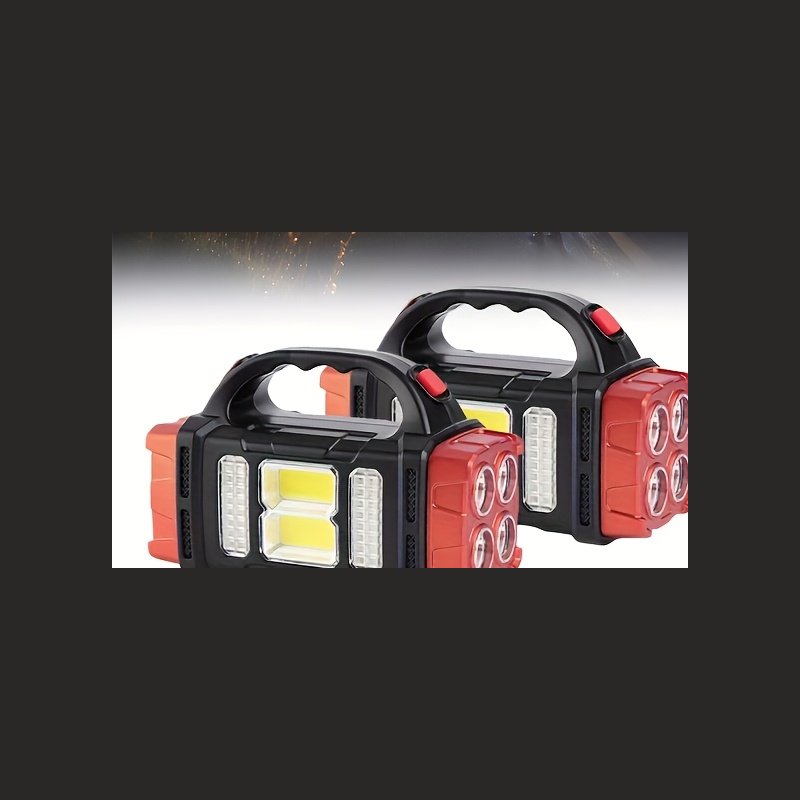
2-Pack Solar & USB LED Lanterns — COB Work Light
Two of the same solar-and-USB lanterns — one for the house, one for the car. They charge in the sun or by USB and light up a room when the grid goes down. 4.7 stars, 100K+ sold.
$17.82 on Temu
See the lantern 2-pack on TemuAffiliate link: if you buy, this site may earn a commission at no extra cost to you. Price checked September 2026; Temu prices change often.
What else do lenders look at besides the down payment?
Your income, and whether the payment fits inside it.
Most subprime lenders typically require a gross monthly income — that's your pay before taxes — of about $1,500 to $2,500, usually from one job, proven with a recent pay stub.
Then they check the payment against your paycheck. Lenders call it payment-to-income, and in plain English it means this: most subprime lenders typically won't let your car payment (plus insurance) run more than 15% to 20% of your gross monthly pay. The second check, debt-to-income, says all your monthly debts including the new payment typically have to stay under 45% to 50% of your gross pay.
In real life: say you make $2,500 a month before taxes. The 15–20% rule means a lender will typically approve a payment of roughly $375 to $500. That's another reason the $5,000 car is your friend — its payment fits that window. A $15,000 car's doesn't, and no down payment fixes math that doesn't fit your paycheck.
What should you bring — and what should you ask before you sign?
Bring:
- A recent pay stub (computer-generated, showing year-to-date earnings)
- Your driver's license or ID
- Proof of where you live — a utility bill or lease with your name and address
- Your $500, plus anything you're trading in
Then ask these questions, word for word:
- "Do you report my payments to the credit bureaus — all three of them?"
- "Do you report my on-time payments, or only the late ones?"
- "What is the total price of the car?" (Not the payment. The whole price.)
- "What interest rate am I actually being charged?"
- "If I'm short on the down payment, can part of it be deferred into my first few payments?"
If a seller won't answer the reporting questions straight, walk to the next lot.
What if you don't have the $500 yet?
Then your only problem is the smallest one in car buying. A few practical ways people close a $500 gap:
- Sell the stuff collecting dust. The tools, electronics, and garage stuff you haven't touched in a year. A Saturday garage sale or a few Facebook Marketplace listings can turn into a down payment fast.
- Buy and flip. Buy something cheap that you know is worth more — a phone, a mower, furniture — clean it up, resell it. Small flips stack up.
- Time it with your tax refund. A refund is a down payment sitting in the government's pocket. File early and put it straight toward the car.
- Trade in what you have, even if it's broken. A car that barely runs still has some value to a dealer, and even a couple hundred in trade-in credit counts toward your down payment.
- Pick up a few extra shifts or side gigs. At $100 a week set aside, you're at $500 in five weeks. At $50 a week, ten weeks. It's not forever — it's a bridge.
- Ask about a deferred down payment. Some dealers let you pay part now and the rest over your first few paychecks. It costs nothing to ask.
Want to see what your $500 buys before you visit a single lot? Run your numbers through the down payment calculator on this site — it shows you the car price your down payment opens up.
Sources: Experian, State of the Automotive Finance Market, Q2 2026 (APR and amount-financed figures); Consumer Financial Protection Bureau (CFPB) guidance on buy here pay here loans and credit reporting. Down payment minimums, income floors, and payment-to-income figures reflect typical subprime lender practice as reported by CarsDirect and Auto Credit Express; individual lenders vary.
Recommended · Temu
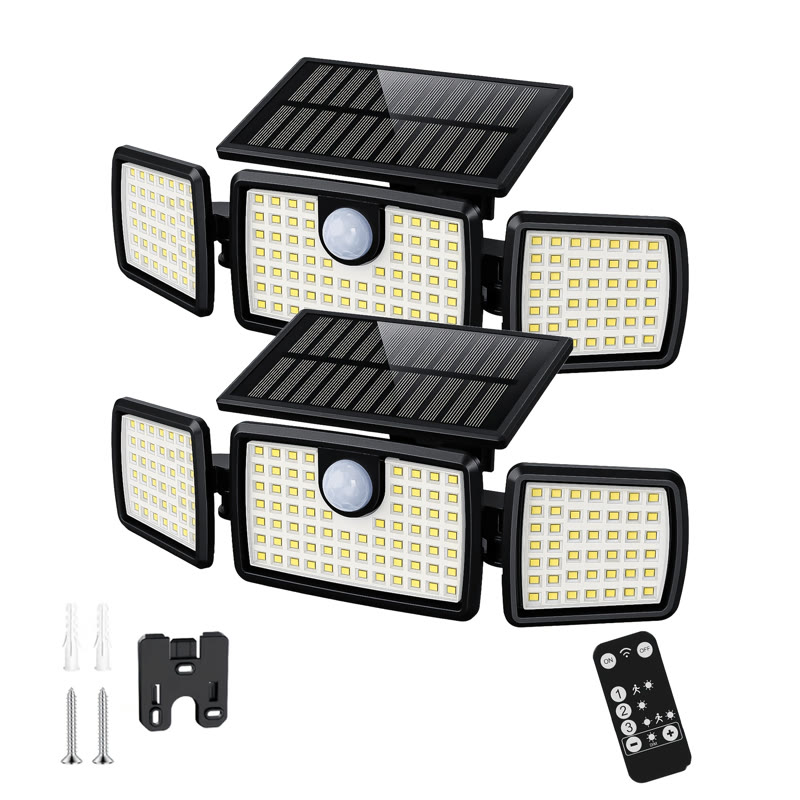
2-Pack 3-Head Solar Security Lights (3000LM, Motion Sensor)
Every dollar you save is a dollar toward the car. This 2-pack of solar security lights (3000LM, motion sensor) protects the car you have now for under $20 — no wiring, no electrician, no monthly cost.
$22.32 on Temu
See the solar lights on TemuAffiliate link: if you buy, this site may earn a commission at no extra cost to you. Price checked September 2026; Temu prices change often.
Recommended · Temu
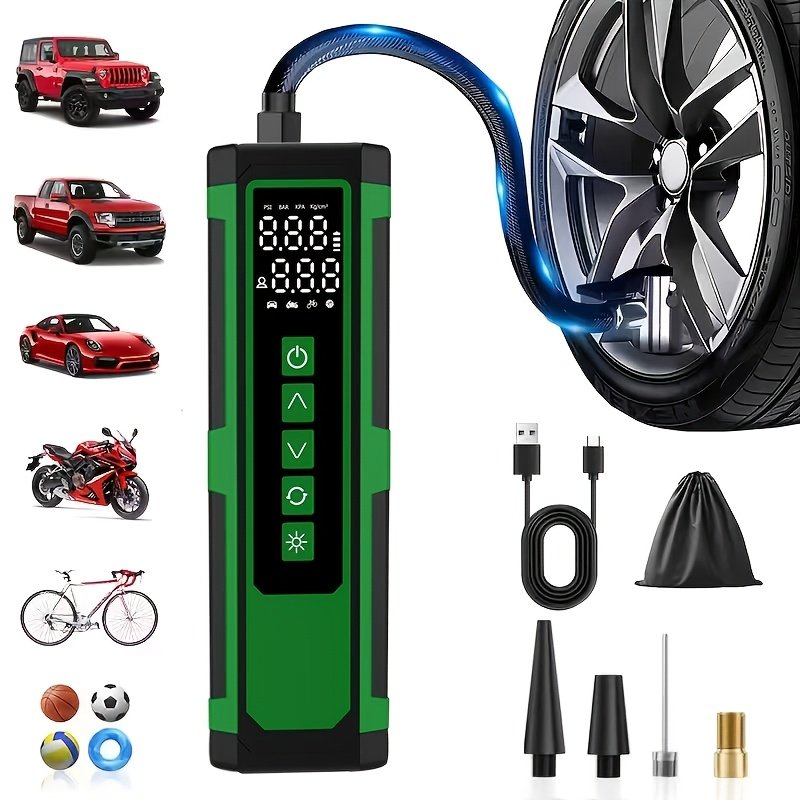
Portable Tire Inflator — Cordless Air Pump (150 PSI)
A flat tire on the way to work can cost you the job that pays for the car. This cordless inflator rides in the trunk and fills a tire in minutes — no gas-station air pump, no tow truck. 4.8 stars, 35K+ sold.
$7.45 on Temu
See the inflator on TemuAffiliate link: if you buy, this site may earn a commission at no extra cost to you. Price checked September 2026; Temu prices change often.
Frequently asked questions
Can I get a car with $500 down and a credit score under 500?
Yes. Experian's Q2 2026 numbers put the average used-car APR for scores under 500 at 21.62% — approvals exist at that level; they just cost more, so keep the car's price low. Buy here pay here lots are the other door: they qualify you mainly on income, not your score.
Do I need a cosigner to buy a car with $500 down?
No. Neither road in this article uses one. Subprime lenders approve you on your income and your down payment; buy here pay here lots approve you on income. A cosigner can help in some cases, but nothing here requires one.
Will a $500-down car loan rebuild my credit?
Only if your payments get reported. Subprime lenders used by regular dealers report your loan as a normal part of their business, so on-time payments help you. At a buy here pay here lot, ask first — the CFPB warns many of those dealers report only late payments, not on-time ones, so perfect payments might do nothing for your score.
How much income do I need to get approved?
Most subprime lenders typically want $1,500 to $2,500 a month in gross income — before taxes — usually from a single job, proven with a pay stub. Buy here pay here lots set their own rules and often work with less, since they do their own financing.
What kind of car can I actually get for $500 down?
At a regular dealer, look at cars priced around $5,000 — that's where $500 satisfies the 10% rule. At a buy here pay here lot, it's whatever your income and $500 can carry. Either way, a reliable older sedan beats a fancy SUV with a payment you can't feed.