Buy Here Pay Here vs. a Subprime Bank Loan: Which Costs Less?
Quick answer: On equal credit, a bank or credit union loan usually costs far less. The Federal Reserve measured a 25.39% average rate at buy here pay here lots versus 14.60% at traditional lenders — higher payments on smaller loans. Buy here pay here wins on access and speed. Use it, and get the reporting promise and total cost in writing.
Recommended · Temu
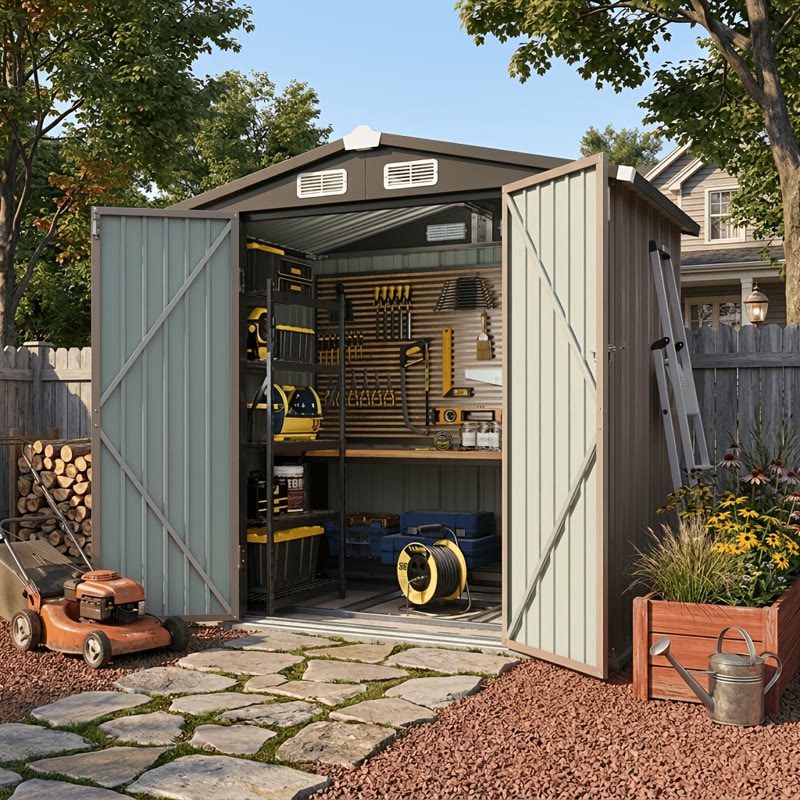
6x4 Ft Brown Outdoor Storage Shed with Lockable Double Doors
Just bought the car? Clear the garage so it actually fits. This weatherproof steel shed has lockable double doors — and no monthly storage-unit bill.
$139.91 on Temu
See the shed on TemuAffiliate link: if you buy, this site may earn a commission at no extra cost to you. Price checked September 2026; Temu prices change often.
Here's the blunt truth about buy here pay here: it's the easiest door into a car — and by the federal government's own numbers, it's the most expensive one.
At a buy here pay here lot, the average loan is smaller and the average payment is bigger. That's not a typo. That's what the interest rate does when it's nearly double.
But hear the other half: if you need a car by Friday or you lose the job, that lot may be the only door open to you. This page isn't here to talk you out of it. It's here so you know the real price of each door — and walk into the expensive one with your eyes open.
Which one actually costs less?
Short answer: the bank loan — and it isn't close. Two federal studies measured it, and they point the same direction.
The Federal Reserve's May 2026 study of subprime auto lending (FEDS Notes) compared the two doors directly:
- Average rate: 25.39% at buy here pay here dealers vs. 14.60% at traditional lenders. (The Fed derives its rates from loan principal, payment, and term — measured averages, not any one lot's quote.)
- Average amount financed: $15,402 at buy here pay here vs. $17,424 at traditional lenders.
- Average monthly payment: $405 vs. $350.
- Average term: 55 months vs. 64 months.
Sit with that for a second. The buy here pay here borrower finances about $2,000 less car — and pays $55 more every month for the privilege. Do the simple math on the Fed's averages: $405 a month for 55 months is about $22,275 paid on a $15,402 loan — roughly $6,900 of it interest. The bank borrower pays about $22,400 total on a $17,424 loan — roughly $5,000 of it interest. Nearly the same money out of pocket, but one borrower got a $17,400 car and the other a $15,400 car — and the one with the cheaper car paid about $1,900 more in interest.
The Consumer Financial Protection Bureau found the same gap from the other direction. In its 2021 study of about six million subprime loans, banks averaged roughly 10% interest while finance companies and buy here pay here dealers averaged 15% to 20%. Then the CFPB ran the test that matters — borrowers with the same estimated default risk at both doors. The same-risk borrower paid about 9% at a bank and about 13% at a small buy here pay here lot, roughly $900 saved over the loan's life at the bank. The Bureau's conclusion, in plain words: the borrower's risk does not explain the price difference.
Individual deals vary — these are averages across millions of loans, not quotes. But the direction never flips: on price, the bank door wins every time it opens.
Why is buy here pay here easier to get?
Short answer: because the lot is the bank. There's no outside lender in the deal to say no.
The Federal Reserve defines the model in one sentence: a buy here pay here dealer is "both the seller and financier of vehicles to their customers," while a traditional dealer connects you to a third-party bank, credit union, or finance company that funds and owns the loan. The CFPB puts it plainer: these dealers finance loans "in-house," to borrowers with no credit or poor credit.
That one difference changes everything about approval:
- No outside score cutoff. A bank applies its lending policy to your file and can simply decline. The lot underwrites you itself — mostly on your job, your income, your stability, and your down payment. Your score may never enter the room.
- The down payment does the talking. At bank and credit union special-finance programs, the typical minimum is $1,000 or 10% of the car's price, whichever is less — documented lender practice. On the buy here pay here side, be honest: no regulator dataset measures what those lots require down, and both the Fed and the CFPB flag that gap. Expect to bring real money — your cash is what makes the lot comfortable.
- Payments come faster. The Fed found 14.43% of buy here pay here loan balances are on weekly or biweekly schedules, versus 0.67% at traditional lenders. The lot matches your payment to your payday. That can help you budget — and it means more due dates, and more chances to be late. The Fed notes frequent payments also let the dealer spot trouble earlier.
So the access is real — the bank door is cheaper if it opens; the lot's door is built to open. What you're deciding is what that open door costs you. That's where the traps come in.
Recommended · Temu
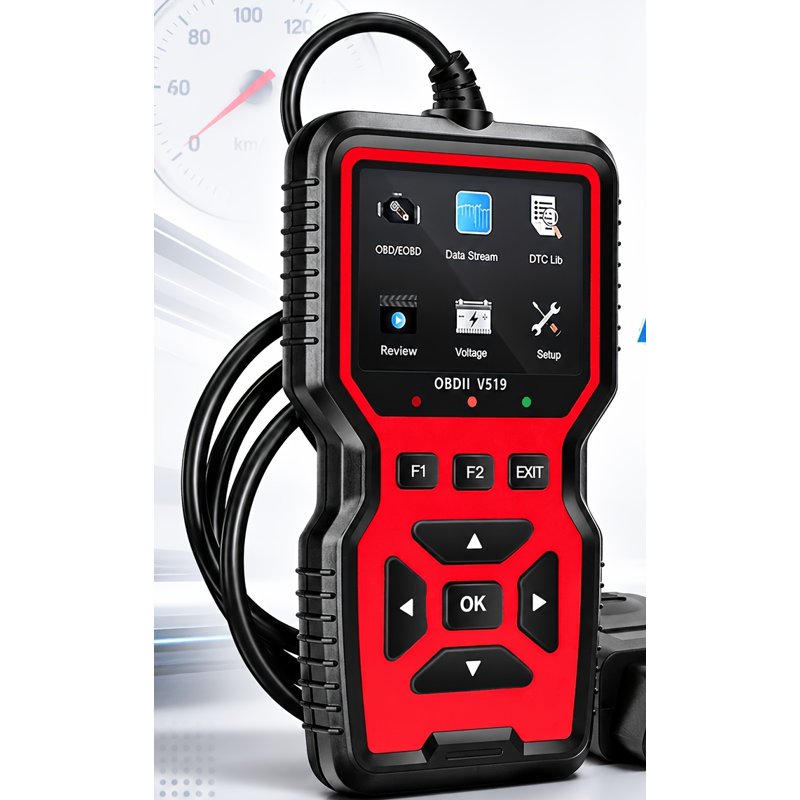
V519 OBD2 Scanner — Check Engine Code Reader
Before you sign for that used car, plug this in under the dash and read the codes yourself. It shows check-engine codes and live data — the stuff a seller hopes you never check. 4.6 stars, 28K+ sold on Temu.
$13.96 on Temu
See the scanner on TemuAffiliate link: if you buy, this site may earn a commission at no extra cost to you. Price checked September 2026; Temu prices change often.
What are the traps on each side?
Short answer: at buy here pay here, the traps are hidden cost and the dealer's control over the car. At the bank, the traps are rate markup and a loan that outlives the car. Know both sides.
The buy here pay here traps — all documented by the CFPB, not rumors:
- Cost hidden outside the APR. Herbies Auto Sales, a Colorado buy here pay here dealer, advertised 9.99% APR — while requiring buyers to purchase a $1,650 repair warranty and a $100 GPS device and leaving both out of the disclosed rate. The advertised number was real; it just wasn't the real cost. The CFPB ordered $700,000 paid back to customers. The lesson: the only number that matters is the total of everything you're required to buy, in writing.
- The kill switch. Many subprime cars carry a starter-interrupt device — GPS technology that lets the lender keep the car from starting. The devices themselves aren't banned; using them wrongly is where the law bites. In the CFPB's case against USASF Servicing, the company incorrectly disabled vehicles at least 7,500 times and fired warning tones more than 71,000 times at people who weren't in default or were already in contact about payments. It ended in a default judgment of more than $42 million. Before you sign anywhere, ask: does this car have a device, what triggers it, and how much warning do I get? The answers belong in your contract.
- The reporting promise. Credit reporting is voluntary — no law makes a dealer report your payments. The CFPB warns that buy here pay here dealers often report only negative information: your on-time payments build nothing, but a late one hurts. And a reporting promise you don't keep is itself a violation — CarHop told customers it would furnish positive payment information and didn't, one of the findings in a CFPB order that cost the company $6,465,000. If a lot says "we report and rebuild your credit," get it in writing or assume it isn't happening.
- Fast repossession. The lot holds your loan and collects it itself — no outside servicer sits between a missed payment and the tow truck. The Fed measured it: in late 2025, about 5% of buy here pay here balances were in active repossession, versus under 0.5% at traditional lenders.
The bank-side traps:
- Dealer markup on your rate. When a dealer arranges your bank loan, the lender sets a base "buy rate," and the dealer may mark the rate up and keep part of the difference — the CFPB documented this practice in dealer-arranged (indirect) lending. Your defense is a number of your own: a pre-approval from your bank or credit union, obtained before you shop. Make the dealer's financing beat it.
- The long loan. Bank terms average 64 months in the Fed's data. The lower payment feels kind, but six-plus years of payments on a used car means owing more than the car is worth for a long stretch. Cheaper credit stretched too long still costs you.
- The runaround. A bank can say no, and a dealer can steer you toward whichever lender pays the dealer best. Applying at your own bank or credit union first is how you find out where you actually stand.
Which should you choose?
Short answer: try the bank door first because trying is free. Use the buy here pay here door knowingly when it's the only one open — and treat it as a bridge, not a destination.
- You can wait a few days and have any credit file at all: apply at your own bank or a credit union before you visit any lot. A pre-approval costs nothing, a "no" costs nothing, and a "yes" becomes the number every dealer has to beat.
- Rebuilding your credit is half the point: the bank or credit union loan wins, because it reports. A year of perfect buy here pay here payments that never reach the bureaus rebuilds nothing.
- You need the car this week or you lose work, and the banks said no: buy here pay here is a legitimate door — thousands of people keeping jobs are driving proof. Walk in with the checklist: reporting promise in writing, total cost of the car plus every required add-on in writing, a payment schedule your paycheck can actually hit, and the starter-interrupt rules in the contract.
- You're already in a buy here pay here loan: pay it like it's your job, because it kind of is. A common exit path is refinancing into a bank loan after 6 to 12 months of on-time payments, once your file has something better to show.
Before you visit either door, run the approval calculator on this site — it uses the same income rules the lenders do, and it shows the price range your paycheck can actually carry.
| Buy here pay here | Subprime bank / credit union loan | |
|---|---|---|
| Who owns your loan | The lot itself — seller and lender in one | A bank, credit union, or finance company — not the dealer |
| Measured average rate (subprime) | 25.39% (Federal Reserve, derived) | 14.60% (Federal Reserve, derived) |
| Average loan size | $15,402 | $17,424 |
| Average payment and term | $405/month, 55 months | $350/month, 64 months |
| Payment schedule | Weekly or biweekly is common (14.43% of balances) | Monthly (0.67% weekly/biweekly) |
| Reports your on-time payments? | Voluntary — many lots report only negatives; get promises in writing | Reports as a normal part of business |
| Repossession posture | About 5% of balances in active repossession; the dealer collects and repos itself | Under 0.5% of balances in active repossession |
Sources: Federal Reserve Board, FEDS Notes, "Subprime Auto Lending: Trends in Buy Here Pay Here Auto Lending" (May 2026) — derived average rates, loan sizes, payments, terms, payment schedules, repossession rates. Consumer Financial Protection Bureau — Data Point No. 2021-10, "Subprime Auto Loan Outcomes by Lender Type" (September 2021), including the same-default-risk rate comparison and dealer rate markup in indirect lending; Ask CFPB guidance on buy here pay here loans and credit reporting; consent orders against Herbies Auto Sales (2016) and CarHop / Universal Acceptance Corp. (2015); CFPB v. USASF Servicing, LLC (filed 2023; default judgment over $42 million, November 2024). Experian, State of the Automotive Finance Market, Q2 2026 (average used-car APR by credit score). Down-payment minimums reflect typical lender practice (CarsDirect, Auto Credit Express). Federal figures are averages across large loan samples, not quotes for any individual deal.
Recommended · Temu
20,000mAh Solar Power Bank — Charges in the Sun
Your phone is your job — the lender's call, the gig app, the map. This 20,000mAh bank tops up from the sun and keeps your phone alive all shift. 4.7 stars.
$4.98 on Temu
See the power bank on TemuAffiliate link: if you buy, this site may earn a commission at no extra cost to you. Price checked September 2026; Temu prices change often.
Recommended · Temu
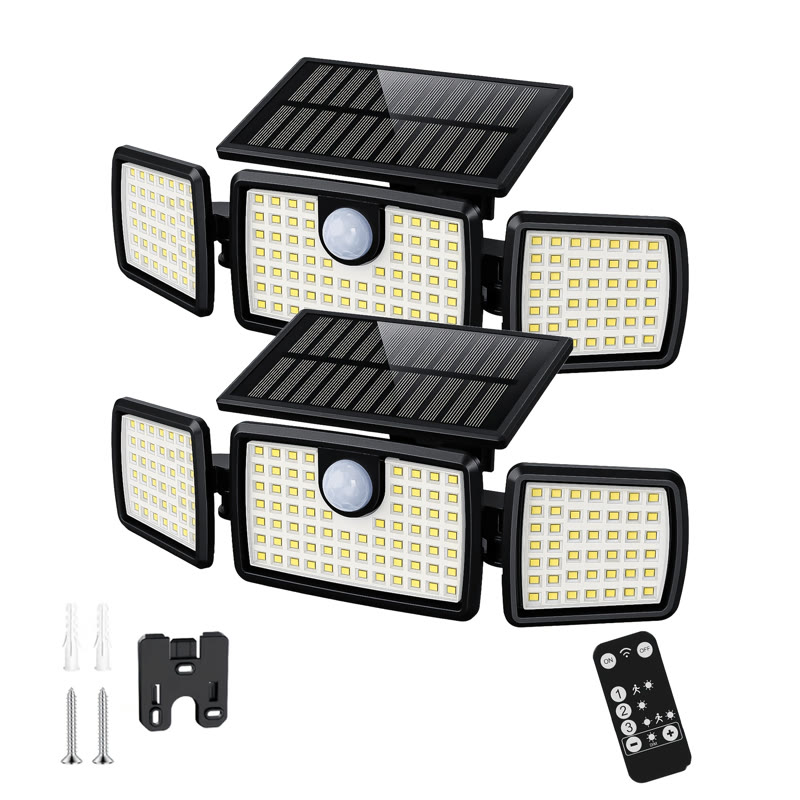
2-Pack 3-Head Solar Security Lights (3000LM, Motion Sensor)
Two doors, two very different prices — know both before you sign. And protect the car you drive home: this 2-pack of solar security lights (3000LM, motion sensor) guards your driveway for under $20 — no wiring, no electrician, no monthly cost.
$22.32 on Temu
See the solar lights on TemuAffiliate link: if you buy, this site may earn a commission at no extra cost to you. Price checked September 2026; Temu prices change often.
Recommended · Temu
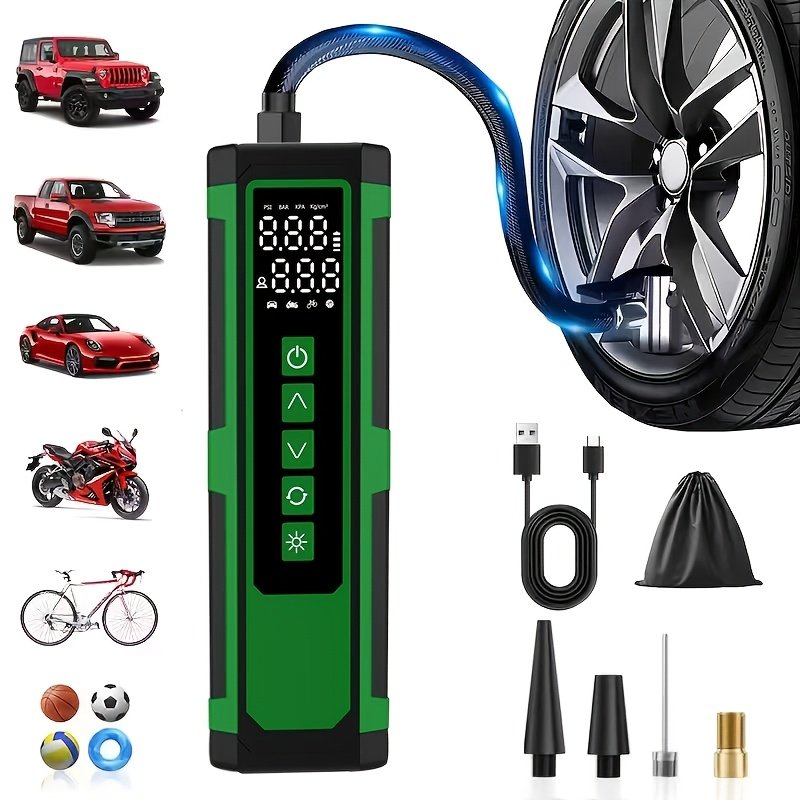
Portable Tire Inflator — Cordless Air Pump (150 PSI)
A flat tire on the way to work can cost you the job that pays for the car. This cordless inflator rides in the trunk and fills a tire in minutes — no gas-station air pump, no tow truck. 4.8 stars, 35K+ sold.
$7.45 on Temu
See the inflator on TemuAffiliate link: if you buy, this site may earn a commission at no extra cost to you. Price checked September 2026; Temu prices change often.
Frequently asked questions
Is buy here pay here always a rip-off?
No. It's the most expensive mainstream way to finance a car — the Federal Reserve's measured averages say so — and also the most accessible. If it's the only door open and the car keeps you employed, it can be the right door. It becomes a rip-off when the cost is hidden: add-ons outside the APR, a reporting promise that isn't real, a payment schedule you can't hit. All three are knowable before you sign.
What rate should I expect at a bank with bad credit?
Experian's Q2 2026 averages for used cars: 19.10% at credit scores of 501–600 and 21.62% at 300–500 — still below the Fed's 25.39% buy here pay here average. Your actual quote depends on your score, income, and down payment, which is why a real pre-approval beats any average.
Does buy here pay here build my credit?
Only if the lot actually reports your on-time payments — and reporting is voluntary. The CFPB warns many lots report only late payments and misses, so a year of perfect payments may never show up. Get any promise to report in writing. If rebuilding is your goal and the lot won't put it in writing, that lot is selling you a car, not a comeback.
Can the dealer shut my car off if I miss a payment?
If the car has a starter-interrupt device, yes — that's what it's for. The devices are common on subprime loans and are not banned under federal law; what got USASF Servicing a $42 million-plus judgment was disabling cars wrongly — people not in default, people who'd been promised it wouldn't happen. State rules on notice and grace periods vary. Ask whether the car has one and what triggers it, and get the answers in the contract.
Should I get pre-approved before I visit a buy here pay here lot?
Yes — it's the strongest move on this page. A bank or credit union pre-approval costs nothing, tells you the cheapest door actually open to you, and hands you a real rate to compare against anything the lot offers. Most people skip it because they assume the answer is no. The CFPB's same-risk study says borrowers pay for assumptions like that.