Best Credit Unions for Bad Credit Auto Loans
Quick answer: Yes — credit unions do approve bad-credit auto loans, and federal data shows why: NCUA averages put a 48-month used-car loan at 5.53% at credit unions versus 7.73% at banks, and federal credit unions cannot charge over 18%. Named second-chance programs cap loans at $20,000. Membership comes first.
Recommended · Temu
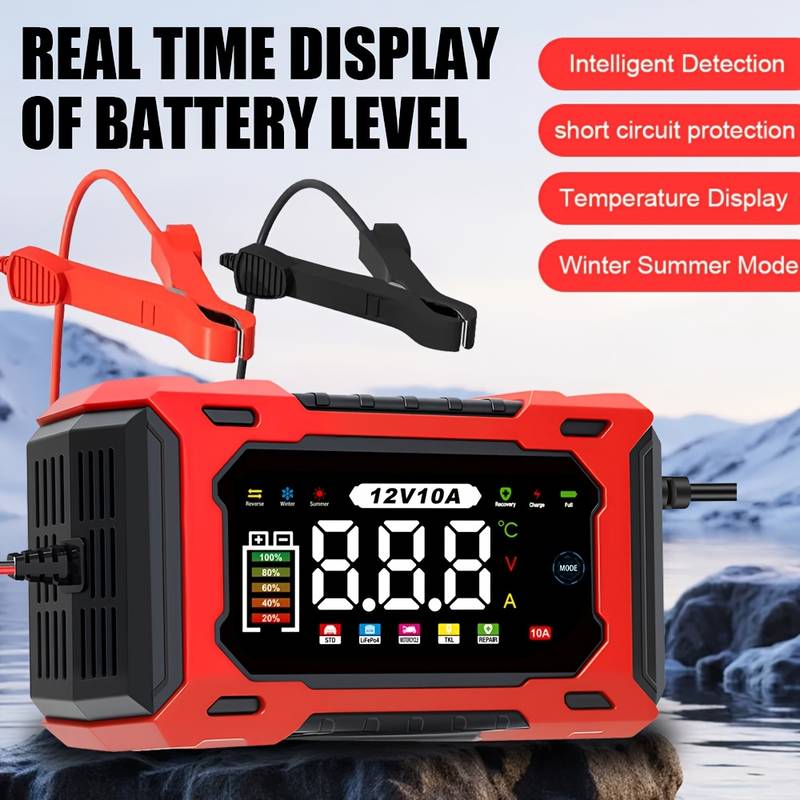
12V Smart Battery Charger — 10A Pulse Repair & Maintainer
Short trips never quite recharge a tired battery — until one morning all you get is a click. This charger tops it off overnight, and its pulse-repair mode can bring a weak battery back. Cheaper than a $200 battery. 6.3K+ sold on Temu.
$15.05 on Temu
See the charger on TemuAffiliate link: if you buy, this site may earn a commission at no extra cost to you. Price checked September 2026; Temu prices change often.
Here's the blunt truth nobody at the dealership tells you: the cheapest door for a bad-credit car loan is usually not on the dealer's lot at all. It's the credit union down the street — the one you walked past because you assumed they'd say no.
That assumption costs people real money. Banks and buy here pay here lots price your past. A credit union is owned by its members — people like you, with accounts there — and a growing number of them run named second-chance programs built for exactly your file: a score under 640, a bankruptcy behind you, a repo you're trying to outrun.
It is not hopeless, and it is not a secret. It's just a door most people never knock on. This page shows you how that door works, which named programs are real — verified on the credit unions' own websites — and how to walk in ready.
Do credit unions approve auto loans with bad credit?
Short answer: yes — many do, and some built whole programs for it. They underwrite you differently than a bank does, and that difference is the whole ballgame.
America's Credit Unions, the industry's own trade association, describes the pattern plainly: credit unions nationwide are approving auto loans for borrowers mainstream lenders automatically decline, through programs with names like Second Chance Auto Loan, Fresh Start Auto Loan, and Credit Builder Loan. They are aimed at members with FICO scores under 640 — or no score at all — who still show steady income.
Where a big lender's computer auto-declines a thin or damaged file, a credit union loan officer is allowed to ask why the score is low. Job loss, medical bills, a divorce, a bankruptcy that's discharged and done — those stories get weighed, along with your rent and utility payment history, and the payment gets sized to what you can actually carry. That is not charity. It's a lender that knows its members and lends smaller, on purpose.
The guardrails are part of the deal, and they're honest ones: loan caps, a vehicle history report, required insurance, and often a short financial-coaching session — budgeting, auto-pay, coverage checks. The credit union is protecting itself, yes. It's also handing you the structure that keeps this loan from becoming your next repo.
Before you apply anywhere, run your real numbers through the approval calculator on this site. It uses the same income math lenders use, so you walk in knowing the payment your paycheck can carry — not the payment a salesperson hopes you'll accept.
Why are credit union rates lower than bank rates?
Short answer: because a credit union has no shareholders to feed. It is a not-for-profit cooperative owned by its members, and what would be profit at a bank comes back to members as lower loan rates and lower fees.
The federal numbers show the gap. The National Credit Union Administration (NCUA) publishes a quarterly comparison of national average rates, and at the end of 2025 it read like this:
- 48-month used-car loan: 5.53% at credit unions vs. 7.73% at banks
- 60-month new-car loan: 5.44% at credit unions vs. 7.41% at banks
- 36-month used-car loan: 5.41% at credit unions vs. 7.69% at banks
Read those right: they are averages across all borrowers, not bad-credit quotes — your rate with a damaged file will be higher at any lender. But the gap is the point. The credit union starts cheaper at every credit level, because its pricing isn't carrying a shareholder's cut.
There is also a hard ceiling a bank doesn't have. Federal credit unions operate under a statutory interest-rate cap — 15% in the law itself, with the NCUA Board's long-standing temporary ceiling at 18%. A federal credit union auto loan cannot legally price above that ceiling. Compare the alternatives for a damaged file: Experian's Q2 2026 averages put used-car loans at 19.10% for scores of 501–600 and 21.62% for scores of 300–500 across all lenders, and the Federal Reserve measured a 25.39% average rate at buy here pay here lots. An 18% legal ceiling starts to look like a fence built for you. Our buy here pay here vs. subprime bank loan comparison shows what those doors cost side by side.
Recommended · Temu
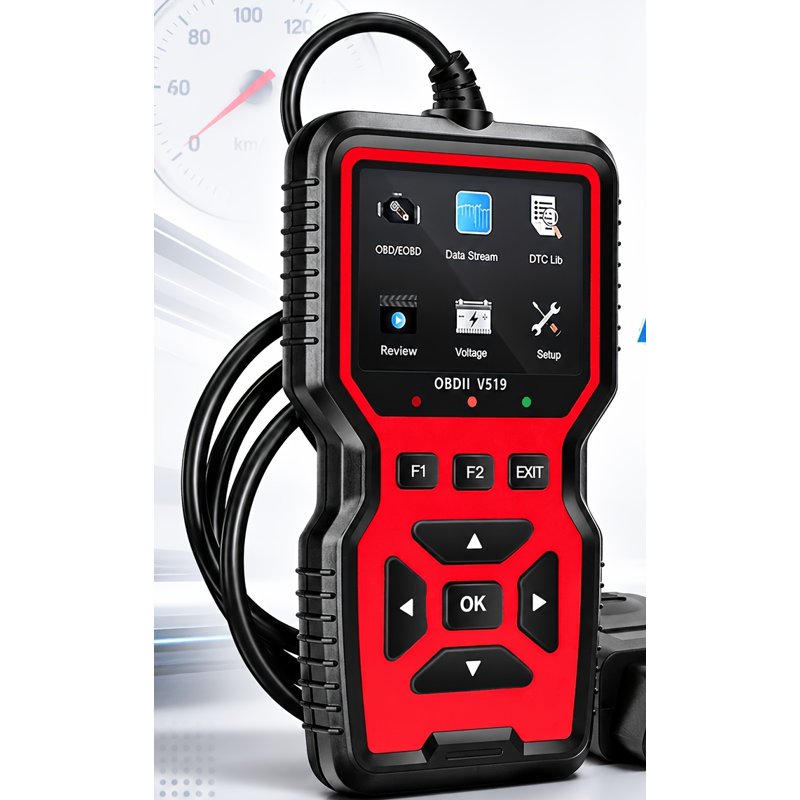
V519 OBD2 Scanner — Check Engine Code Reader
Before you sign for that used car, plug this in under the dash and read the codes yourself. It shows check-engine codes and live data — the stuff a seller hopes you never check. 4.6 stars, 28K+ sold on Temu.
$13.58 on Temu
See the scanner on TemuAffiliate link: if you buy, this site may earn a commission at no extra cost to you. Price checked September 2026; Temu prices change often.
Which credit unions have real second-chance auto programs?
Short answer: the honest way to answer that is program by program, from each credit union's own website — not a list of logos. Here are named programs verified on the institutions' own pages, with their real rules. Local credit unions in your town run versions of the same play; if yours isn't listed here, ask for its fresh-start or second-chance auto loan by name.
Mobility Credit Union (Irving, Texas) — Fresh Start Auto Loan. For members repairing credit after a hardship, a divorce, or a large unplanned expense. Mobility's own page states the real terms: the program is limited to direct auto loans for members with Mobility's Tier D credit rating, the maximum loan is $20,000, and the loan-to-value must be 90% or less. Pay on time and the program pays you — a rebate in cash at the end of the loan for making monthly payments on time. You must open a Mobility checking account to qualify. Its companion Jump Start program serves thin-file first-time buyers — and says out loud that the car gets a starter-interrupt device installed after closing. No surprises is what a real program looks like.
Credit Union of Atlanta — Fresh Start "GO" Auto Loan. Its own site makes a promise most lenders won't print: if your first auto loan application is denied, the Fresh Start loan guarantees you a second review — and a shot at a lower rate than you're paying now. For qualified buyers it lists financing up to 130% of trade-in value and terms up to 78 months.
Century Federal Credit Union — First-Time Auto Buyer Program. This one is for the no-credit reader, not the bad-credit reader, and the page says so: no credit score required, borrow up to $30,000, vehicles up to 10 years old and 100,000 miles, terms up to 72 months, priced at the credit union's published rate plus 2%. The trade: 12 months of continuous employment and no unpaid collections.
Circle Federal Credit Union — Smart Start Auto Loan. First-time borrowers, maximum $15,000, 20% down, and you must have been a member at least two years. Strict — and printed in plain sight, which is the point of this whole list.
Downeast Credit Union (Maine) — Bad Credit Auto Lending Program. The name is the pitch, and its own page backs it with numbers no marketing department would invent: over the past 12 months it financed more than 400 vehicles worth $10,300,000 for members with FICO scores between 450 and 639. Bankruptcy and repossessions are listed as accepted starting points, it reports to all three bureaus, and its Credit Enhancement deal is the rate-step idea with the paperwork attached — follow the plan, raise your score, and the credit union lowers the rate on your loan at no cost.
Utah First Credit Union — Auto Loans for All Credit Types. This one publishes the thing almost nobody publishes: its actual rate table by score tier. On its own site, a score of 600–639 prices at 10.00%, 550–599 at 14.00%, and under 549 at 18.00% — the ceiling, printed next to the words "significantly lower than other sub-prime lenders." Its FAQ says a bankruptcy does not automatically exclude you. Same for a repo. That table is what honesty looks like in this business: you can see your price before you ever apply.
Two patterns in these real programs are worth more than any single name. First, the cap is the feature: $15,000–$20,000 maximums keep the payment survivable while you rebuild. Second, some programs pay you back for paying on time — America's Credit Unions documents credit unions that drop your rate 0.25% for every six months of on-time payments (up to a full 1% at Valley Oak and WyHy), and one that pays up to $100 a year in on-time rewards. A loan that gets cheaper as you prove yourself is the opposite of the buy here pay here trap.
| Credit union (second-chance program) | Bank / finance company subprime | Buy here pay here | |
|---|---|---|---|
| Who owns the lender | You do — member-owned cooperative | Shareholders | The car lot itself |
| Rate anchor | NCUA average 5.53% (48-mo used, all borrowers); federal CU ceiling 18% | Experian average 19.10% at scores 501–600 | Federal Reserve measured average 25.39% |
| How you're judged | A person reviews why your score is low; rent/utility history can count | Mostly score-driven; dealer can mark the rate up | Job, income, and down payment — score may never come up |
| Loan size | Capped on purpose ($15,000–$20,000 in the named programs above) | Sized to the car and the deal | Smaller loans, bigger payments (Fed averages) |
| Reports on-time payments? | Yes — rebuilding your file is the point of the program | Yes | Voluntary — many lots report only negatives |
| The catch | You must join first, and the car choice is capped | The rate, and the markup game | The price of the open door |
Sources: NCUA Credit Union and Bank Rate Comparison, Q4 2025 (national averages, all borrowers — not bad-credit quotes); America's Credit Unions, "Second-chance auto loans help credit-challenged members get back on the road"; Mobility Credit Union, Credit Union of Atlanta, Century Federal Credit Union, and Circle Federal Credit Union program pages (each institution's own site, November 2026); Experian, State of the Automotive Finance Market, Q2 2026; Federal Reserve Board, FEDS Notes, May 2026.
How do you join and apply at a credit union with bad credit?
Short answer: joining is the easy part — a small deposit into a savings (share) account makes you a member-owner. The loan is underwritten like any loan, so walk in with the folder that proves stability.
- Pick your field of membership. Every credit union serves a defined group — a town, an employer, a school or church network, or anyone who joins a partner association. The big national names are not automatically your best shot; the local credit union where a person reviews your file usually is.
- Join before you need the car. Open the share account, start a small direct deposit if you can, and let the account exist. Several named programs require a checking account with the credit union anyway — Mobility's Fresh Start does — and a member with a deposit history is not a stranger at the loan desk.
- Ask for the program by name. "Do you have a fresh-start, second-chance, or credit-builder auto loan?" is the question. If the answer is a plain application and a hard no, you learned something cheap.
- Bring the stability folder. Pay stubs, proof of address, time on the job, rent receipts if you have them. Second-chance underwriting weighs exactly this — give it weight to work with. Our checklist of what to bring when you buy a car with bad credit is the full list.
- Take the pre-approval car shopping, not the other way around. A credit union pre-approval is a real rate in your pocket. It is also the number that keeps a dealer's finance office honest — the same move that protects you in a bank or credit union vs. dealer financing fight.
- If the answer is still no, start with the share-secured loan. Mobility and many others offer a loan secured by money frozen in your own savings account; every payment is reported to the bureaus. It is the slowest door on this page — and it is a door that is almost never locked. Six to twelve months of it changes the next conversation, the same way on-time payments open the refinance after 6 to 12 months path.
Recommended · Temu
6x4 Ft Brown Outdoor Storage Shed with Lockable Double Doors
Just bought the car? Clear the garage so it actually fits. This weatherproof steel shed has lockable double doors — and no monthly storage-unit bill.
$137.21 on Temu
See the shed on TemuAffiliate link: if you buy, this site may earn a commission at no extra cost to you. Price checked September 2026; Temu prices change often.
Recommended · Temu
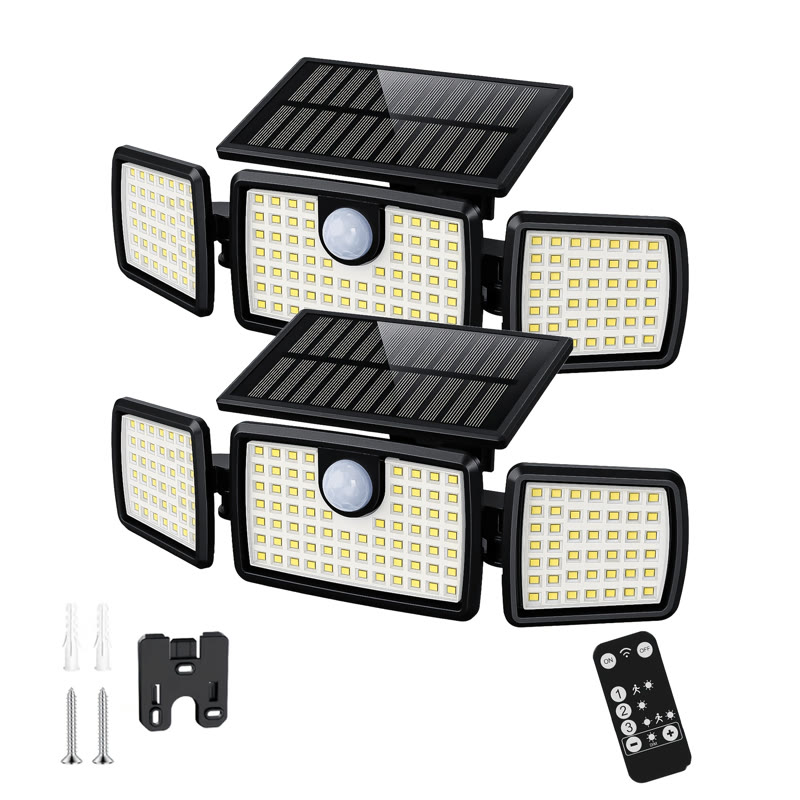
2-Pack 3-Head Solar Security Lights (3000LM, Motion Sensor)
You got the loan the smart way — now protect the car. This 2-pack of solar security lights (3000LM, motion sensor) guards your driveway and the car in it for under $20 — no wiring, no electrician, no monthly cost.
$22.32 on Temu
See the solar lights on TemuAffiliate link: if you buy, this site may earn a commission at no extra cost to you. Price checked September 2026; Temu prices change often.
Recommended · Temu
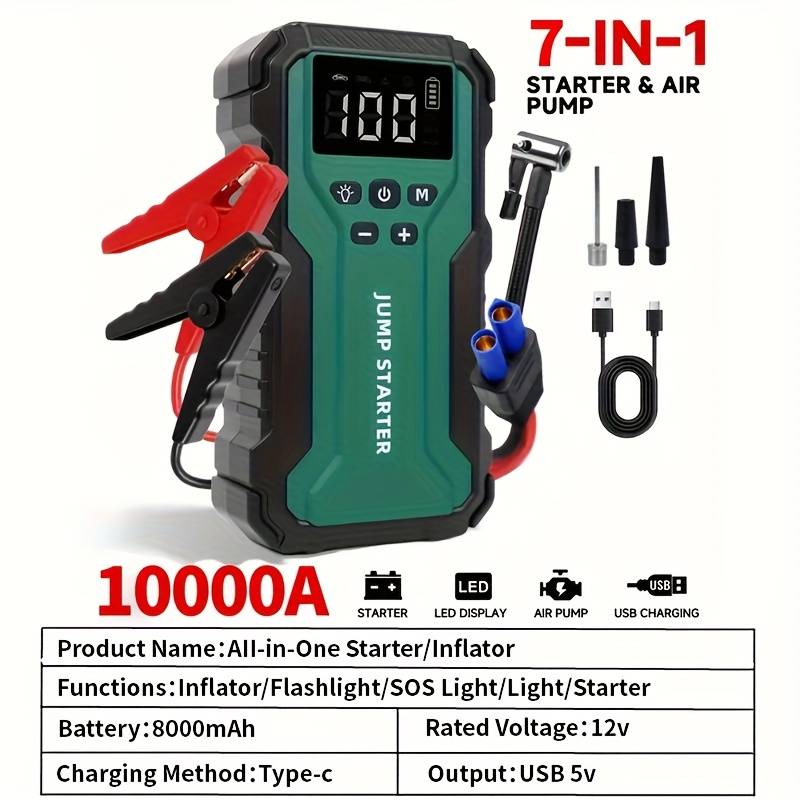
Jump Starter + Tire Inflator Combo — 7-in-1 Emergency Power Bank
A dead battery and a flat tire are the two ways an old car leaves you stranded. This one box covers both — it jump-starts the car and airs up the tire. No jumper cables, no flagging down a stranger, no tow bill. 100K+ sold on Temu.
$24.97 on Temu
See the jump starter combo on TemuAffiliate link: if you buy, this site may earn a commission at no extra cost to you. Price checked September 2026; Temu prices change often.
Frequently asked questions
What credit score do you need for a credit union auto loan?
There is no universal cutoff, and that is the point. The named second-chance programs documented by America's Credit Unions are built for members with scores under 640 — or no score at all — who show steady income. A prime borrower gets the headline rate; a damaged file gets a smaller, capped loan and a real human review. What no honest credit union will do is promise approval before it sees your application.
Are credit union auto loan rates really lower for bad credit?
The structure says yes, within limits. NCUA's national averages show credit unions pricing about two points under banks across all borrowers, and federal credit unions operate under an 18% interest-rate ceiling that banks don't have. Experian's all-lender average for used cars at scores of 501–600 is 19.10% — above the federal credit union ceiling. Your individual quote still depends on your file, your income, and your down payment.
Do you have to be a member to get a credit union car loan?
Yes — membership is how credit unions work. Joining is usually simple: live, work, worship, or study in the credit union's area, or belong to a group it serves, then deposit a small amount (often $5–$25) into a share account. Some programs add a step — Mobility's Fresh Start requires opening its checking account — so join before you're desperate for the car.
Will a credit union loan rebuild my credit?
Yes — credit unions report your payments to the bureaus as a normal part of business, and the second-chance programs are designed around exactly that. That is the sharpest contrast with buy here pay here lots, where reporting is voluntary and many lots report only late payments. A year of on-time credit union payments is a year your file can prove.
Can a credit union approve you after bankruptcy or a repo?
Often, yes — that is who these programs exist for. America's Credit Unions describes second-chance underwriting that weighs a discharged bankruptcy, a job loss, or a medical crisis alongside fresh employment and trimmed expenses, instead of auto-declining the file. Expect a capped loan amount, a required down payment, and possibly a coaching session. Expect a real review, not a rubber stamp — in either direction.